






Split Systems VA
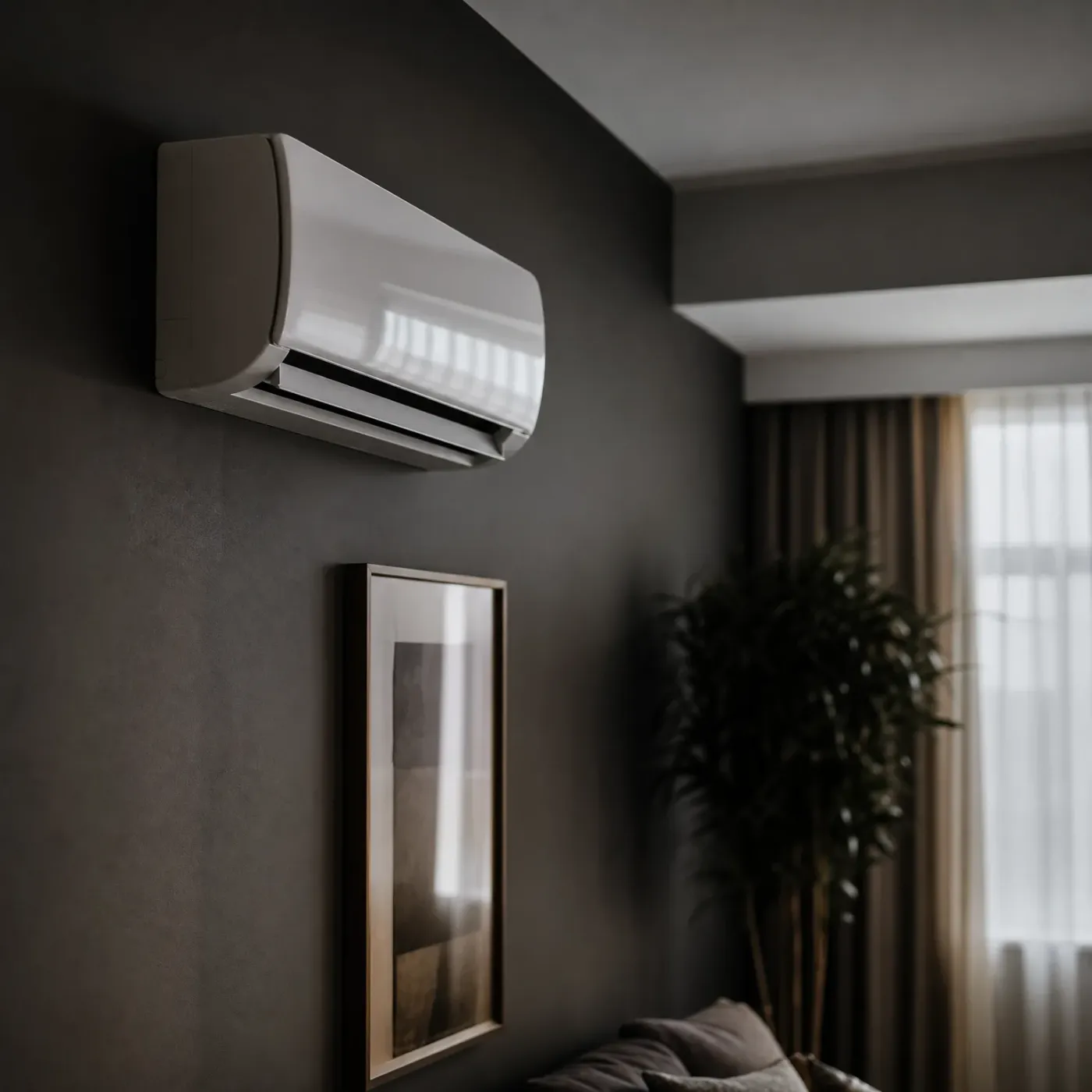
A white wall-mounted mini-split air conditioner on a dark gray interior wall above a framed picture, with a potted plant and curtained window to the right.

A pro who works on mini splits

Why your mini split won't turn on in a Virginia winter

A mini split that won't start when it's cold outside usually means one of a few things, and the fix depends on which one. This page goes through what makes a mini split stop responding in winter and what that points to. If you want a local contractor who works on these systems to take a look, you can ask for that below.

Find my pro

A mini split that won't turn on in winter is often frozen up or stuck waiting on a part that failed in the cold. When outdoor temperatures drop toward freezing, the outdoor unit can ice over, and most systems run a defrost cycle to clear it. If that cycle isn't working right, or if the unit senses it can't defrost properly, it may shut itself off rather than run damaged. Other times the cause isn't ice at all. A capacitor or control board can fail outright in cold weather, or a breaker can trip and not get noticed until the house is cold. Since most homes here heat with electricity, your mini split may be carrying the whole load on a hard winter night, and a unit that won't start leaves you with no backup running. What you're seeing on the wall unit, whether it's dead, blinking, or running but not heating, points to a different one of these, and that's what determines the fix.

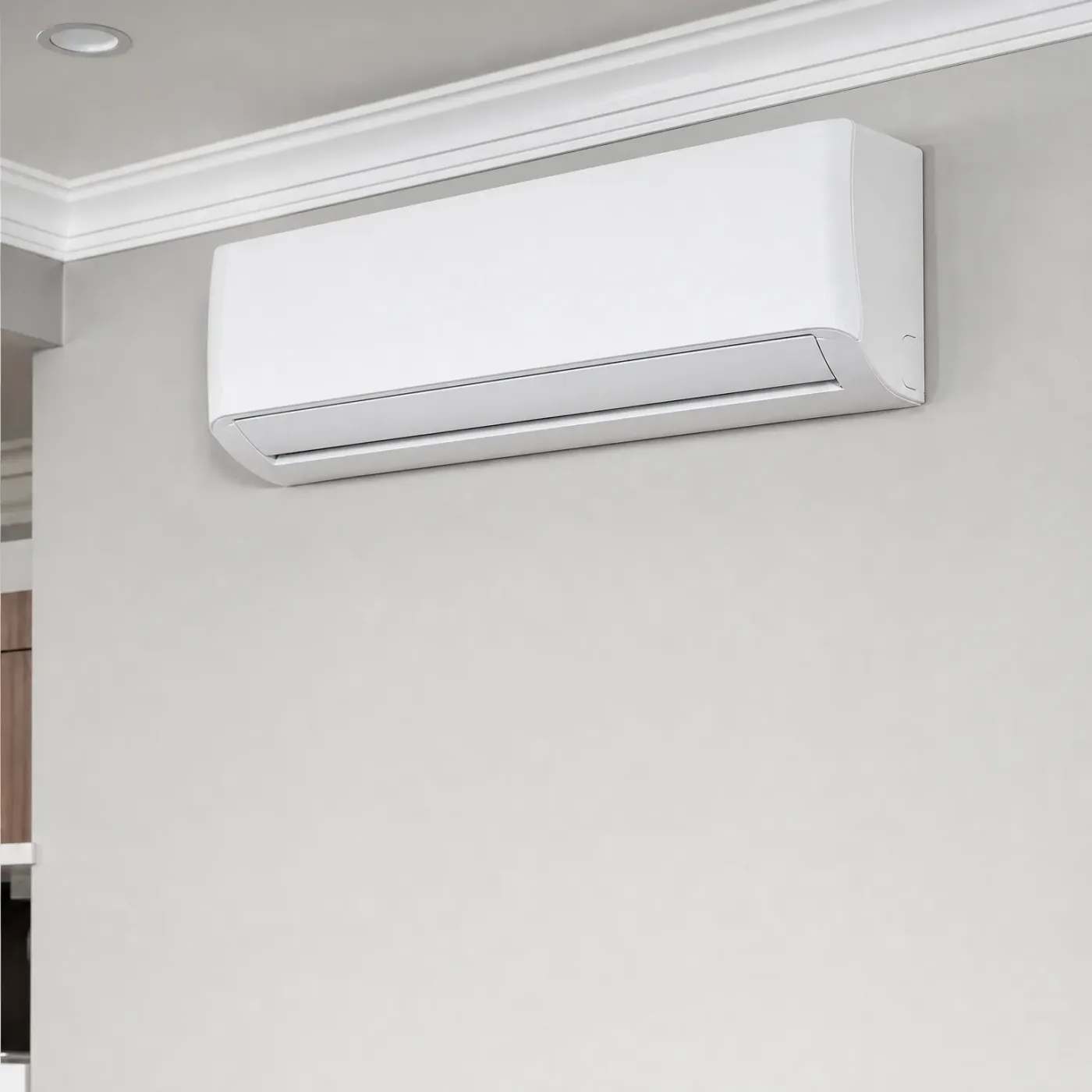
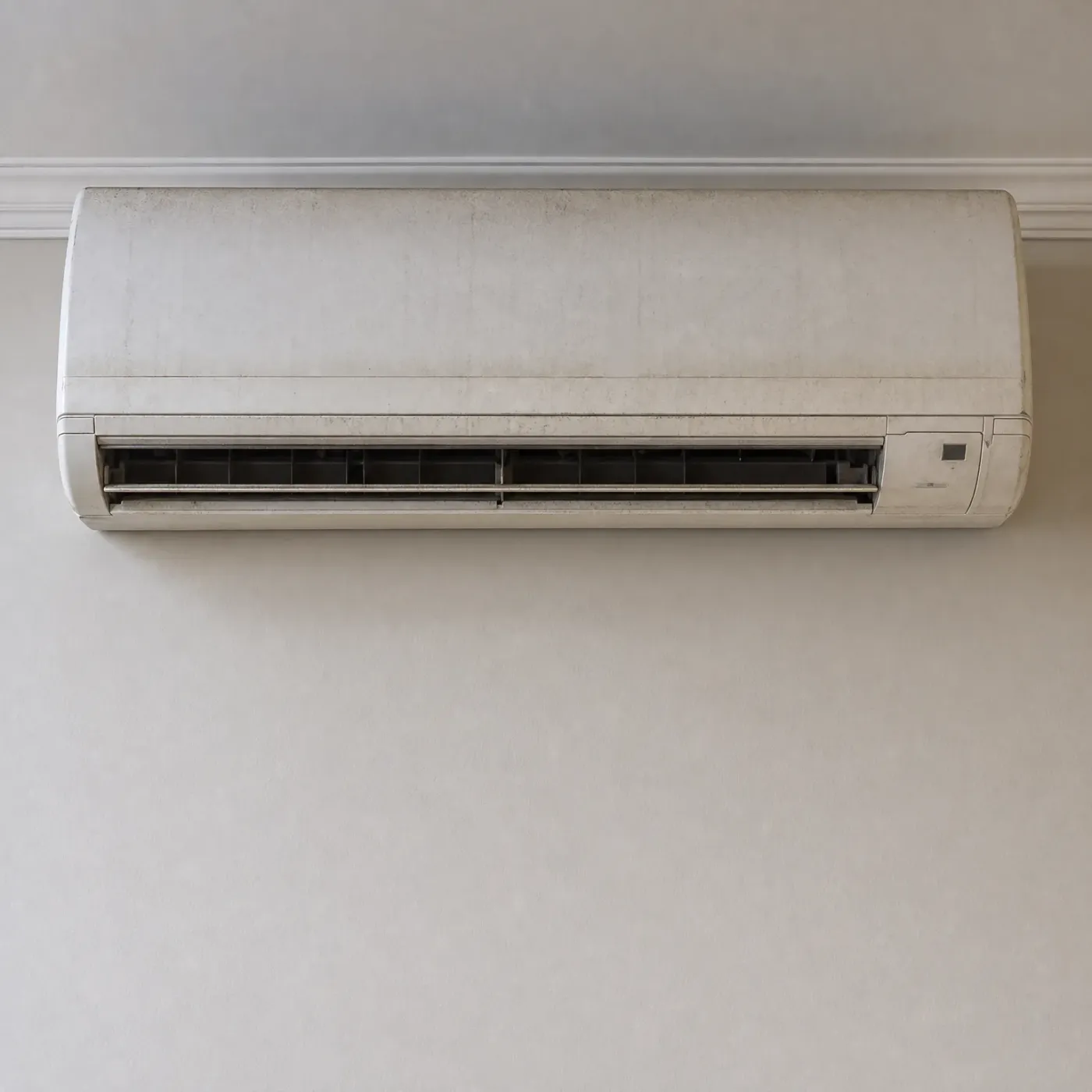
A white wall-mounted mini-split air conditioner installed high on a light gray interior wall below a white crown molding and ceiling with a recessed light.
A mini split that fires right up when you hit the remote is cycling through defrost like it should, even on a cold Virginia morning.
A dusty, discolored white wall-mounted mini-split air conditioner unit installed on a plain beige interior wall below a molding strip.
A unit that looks like this, dusty, iced at the vents, casing gone dingy, is one a tech will want to open up before touching the thermostat.

What's Happening Inside the Unit

  • A thermistor reads the coil and outdoor air temperature, and if it fails, the control board won't start the compressor.
  • Below about 32 degrees, the outdoor unit can start a defrost cycle that runs the fan while the compressor pauses for several minutes.
  • Some units lock out compressor start below a set outdoor temperature until a crankcase heater has warmed the compressor oil.
  • The indoor unit blinks an error code through its LED display, and the pattern tells a tech which sensor or relay tripped.
  • A failed defrost sensor can leave the board thinking the coil is still frozen, so it never releases the compressor to restart.
  • Low refrigerant charge drops coil temperature further in cold weather, which can trigger a safety shutdown before the unit ever gets going.

A mini split is run by a control board that makes decisions based on what its sensors tell it, not on what the thermostat setting alone says. One of those sensors is a thermistor sitting on the outdoor coil, reading its temperature so the board knows when ice is building up. When that reading says the coil is cold enough, usually near freezing, the board kicks off a defrost cycle: the fan keeps running, the compressor stops, and the system waits out the frost before trying again. That pause can run several minutes, and it can look like the unit died even though it's doing exactly what it's built to do. Some models go a step further and won't let the compressor start at all until a crankcase heater has warmed the oil inside it, because starting a compressor on cold oil can damage it. The trouble starts when a sensor itself fails. A bad thermistor can tell the board the coil is still iced over long after it's clear, and the board just keeps waiting, never restarting the compressor. Low refrigerant charge makes this worse, since it drops coil temperature even further and can trip a safety shutdown before the cycle finishes. The indoor unit's LED display blinks a code when this happens, and that pattern is how a tech knows which sensor or relay to check first.

A woman with dark hair in a bun wearing a cream knit sweater sits on a gray sofa in a bright living room, looking off to the side.
A woman wrapped in a knit blanket sits on a gray sofa in a living room, looking toward a bright window with houseplants and an armchair in the background.
A woman in a gray cowl-neck sweater sits on a light sofa with cushions, smiling and looking to the side, with a kitchen and window visible behind her.
A woman with dark hair in a bun, wearing a light linen shirt, sits on a sofa and looks to the side, with a window, houseplants and a kitchen with pendant lights blurred behind her.

If your mini split sits dead through a cold Virginia morning and the outdoor unit is coated in ice, the defrost cycle likely never started because the board never got a signal to run it.

That signal comes from a thermistor, a small sensor the size of a pencil eraser, and when it fails the compressor won't start even after the ice melts off on its own.

An older woman with short gray hair in a cream cable-knit turtleneck sweater smiles while looking to the side in a wooden kitchen, with a round loaf of bread on a board in the foreground and a lit candle by a dark window.
A woman with dark hair in a bun sits wrapped in a chunky knit blanket on a couch with a child resting his head on her shoulder, eyes closed, beside a lit lamp and bookshelf indoors.

Get your mini split to the right pro

Your request stays with one local pro.

No fee to send it, and nothing to sign.

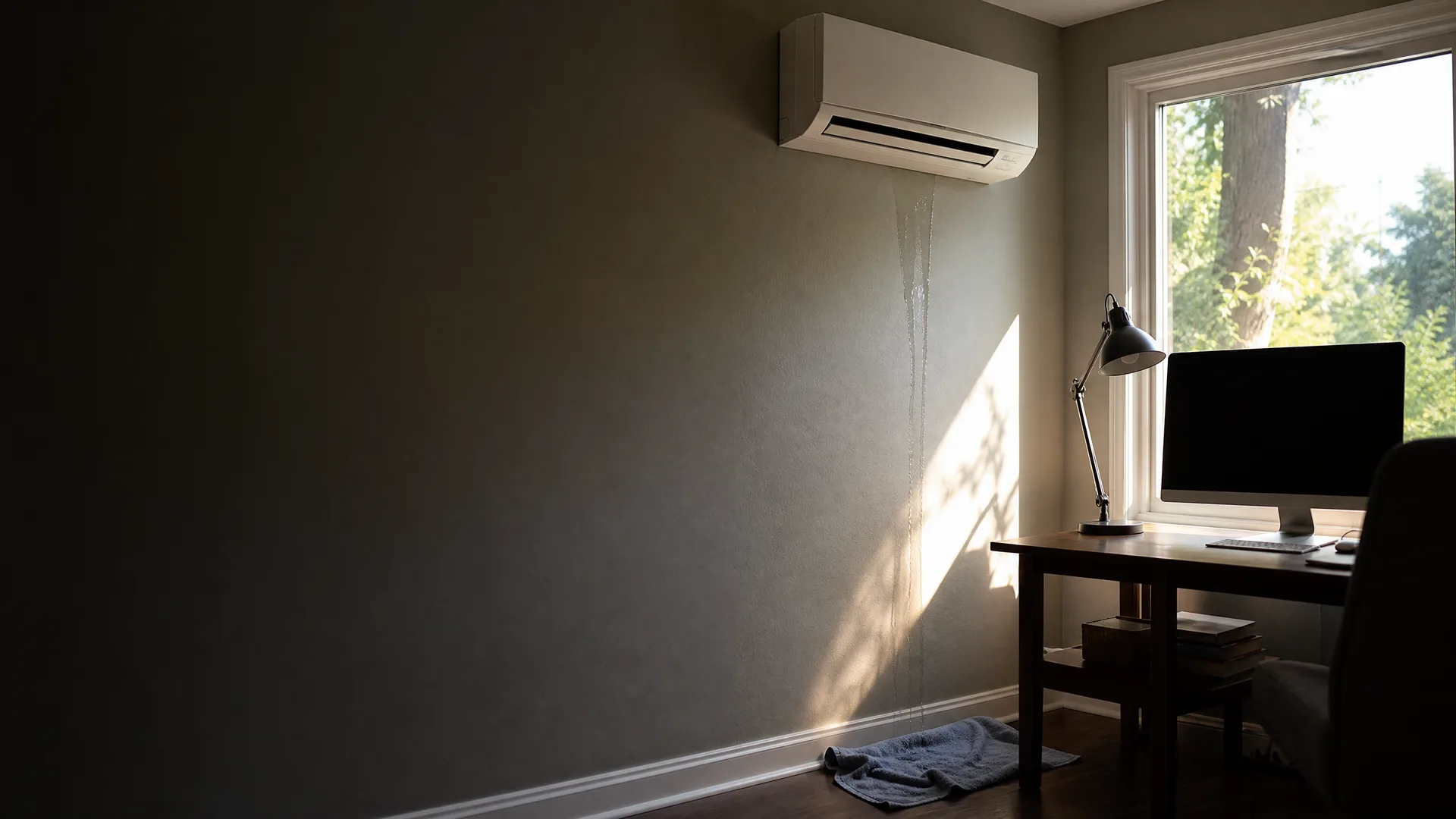
A wall-mounted mini-split air conditioner leaking water down a dim gray wall onto a towel on the floor, beside a window with a desk, lamp and monitor.

It is a July afternoon and you are at the desk in your home office, Virginia humidity pressing against the windows even with the unit running. You notice the carpet first, damp under your feet, then look up and see the streak down the wall below the indoor unit, dark against the paint. A towel is already on the floor, soaked through from the last time this happened. The mini split is still blowing air, just not cold the way it should, and water keeps finding its way down the wall instead of out the drain line where it belongs. You turn off the unit and leave the towel where it is.

Power costs 15.28 cents per kilowatt-hour statewide

At 15.28 cents per kilowatt-hour, running a mini split on electric heat through a cold stretch shows up on the bill fast. A unit stuck cycling in and out, or one a thermistor keeps restarting, draws power without keeping the house warm, so a repair that stops the short cycling pays for itself in a way a bill you can watch will show.

EIA-861 2025 statewide residential average

It still won't start tonight

Cut the breaker to the outdoor unit, wait a minute, and turn it back on. If the indoor head lights up and the outdoor fan runs but the compressor never kicks in, the board is likely waiting on a signal it isn't getting. Check the remote batteries and make sure nothing is blocking the indoor unit's sensor. If the outdoor coil is caked in ice and nothing changes after twenty minutes, that's not something to wait out. A unit that stays dead through a cold Virginia night can freeze pipes if it's your only heat for part of the house.
It's working, just slower than usual

Some mornings it takes longer to catch. The outdoor fan runs, the coil has a light frost that clears within a few minutes, and warm air follows not long after. That's the defrost cycle doing its job in weather near freezing, and it's normal through a Virginia winter. If the house is holding its temperature by evening and the unit isn't icing heavier each day, there's nothing to fix yet. Keep an eye on it over the next cold snap and call if the delay starts stretching longer or the ice doesn't fully clear.

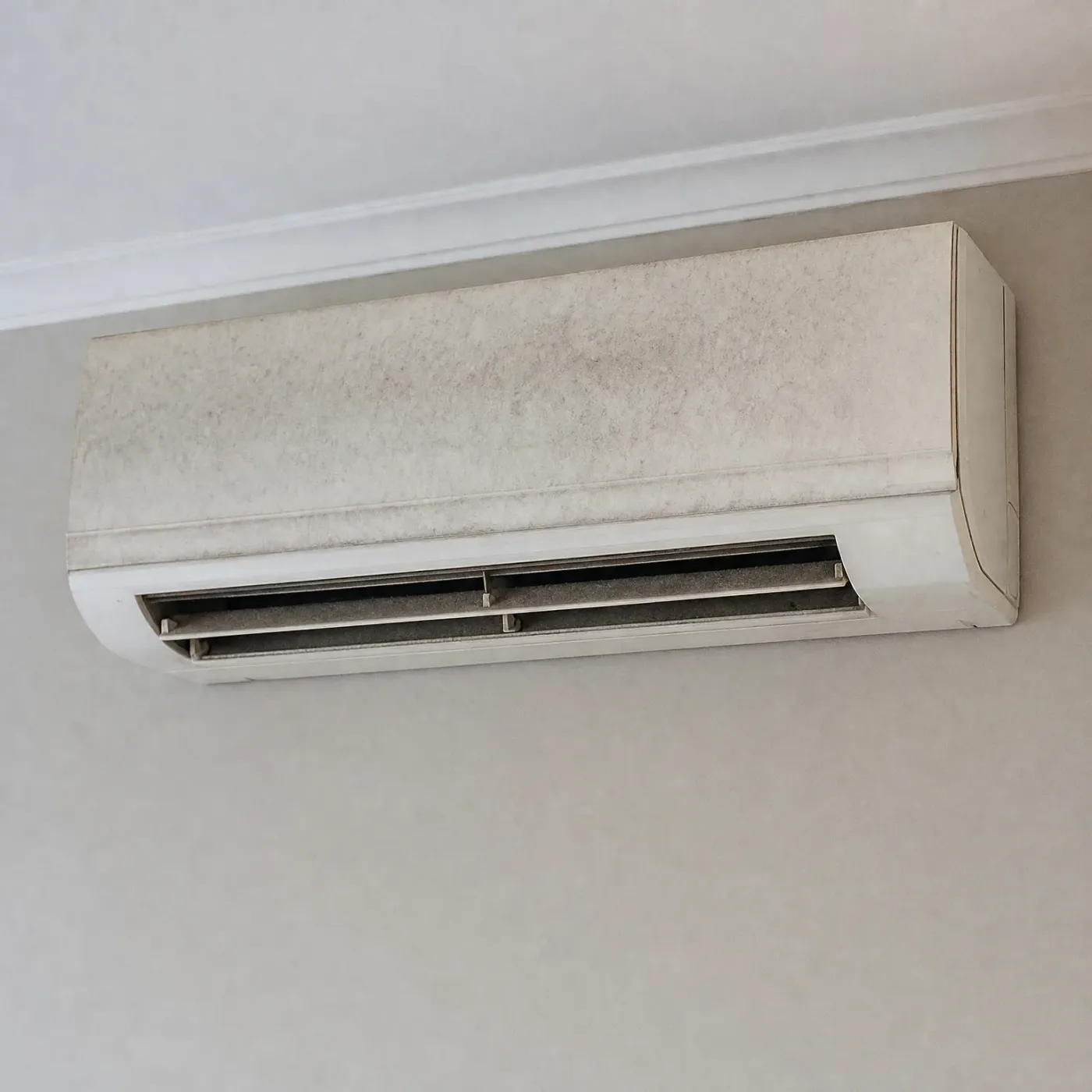
A dusty, discolored white wall-mounted mini-split air conditioner unit installed high on a plain interior wall below a white ceiling molding.
Before you get your mini split repair
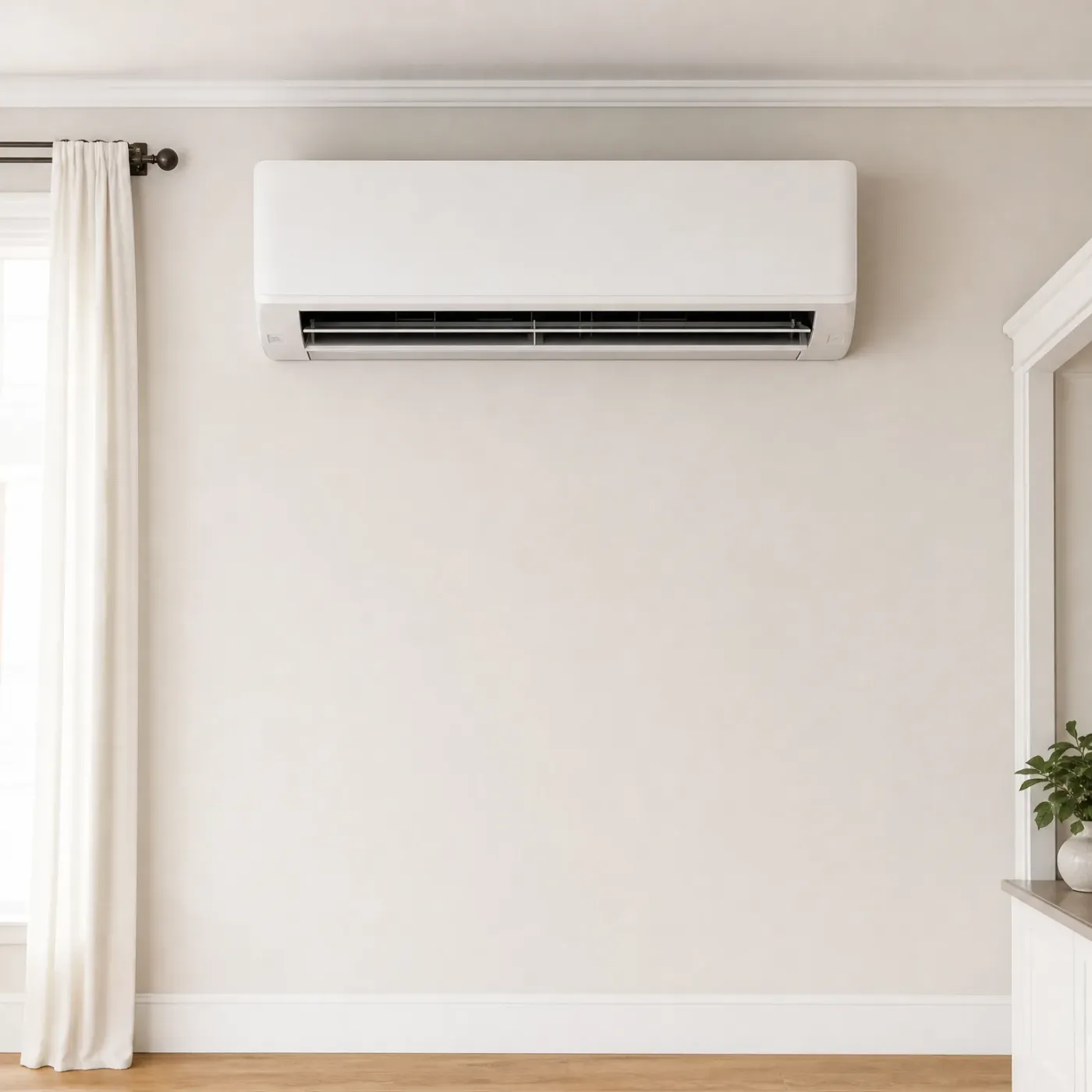
A white wall-mounted mini-split air conditioner on a beige interior wall, with a cream curtain and window at left, a potted plant on a ledge at right, and a wood floor below.
After you get your mini split repair

Leave it or call someone

Waits it out

  • The outdoor unit stays iced over through the cold snap, and the indoor head blows cool air or nothing at all.
  • A thermistor that's failed keeps the board from ever starting defrost, so the problem doesn't fix itself by morning.
  • Rooms that depend on the mini split for heat stay cold, and space heaters end up filling the gap.
  • Running the system on a stuck board draws power without putting out heat, so the bill climbs while the house stays cold.
  • The longer ice builds on the outdoor coil, the more it can strain the fan motor and other parts around it.

Gets it looked at

  • A local tech who works on mini splits all winter can tell a bad thermistor from a board that's lost power in a few minutes.
  • Checking the breaker and the outdoor unit for ice narrows down whether it's a sensor, a signal, or something else before a part gets replaced.
  • Once the actual cause is found, the fix is usually a single part, not a guess at several.
  • A working defrost cycle means the outdoor coil clears itself on its own, even on a morning near freezing.
  • Heat comes back to the rooms that need it, and the system stops drawing power for nothing.
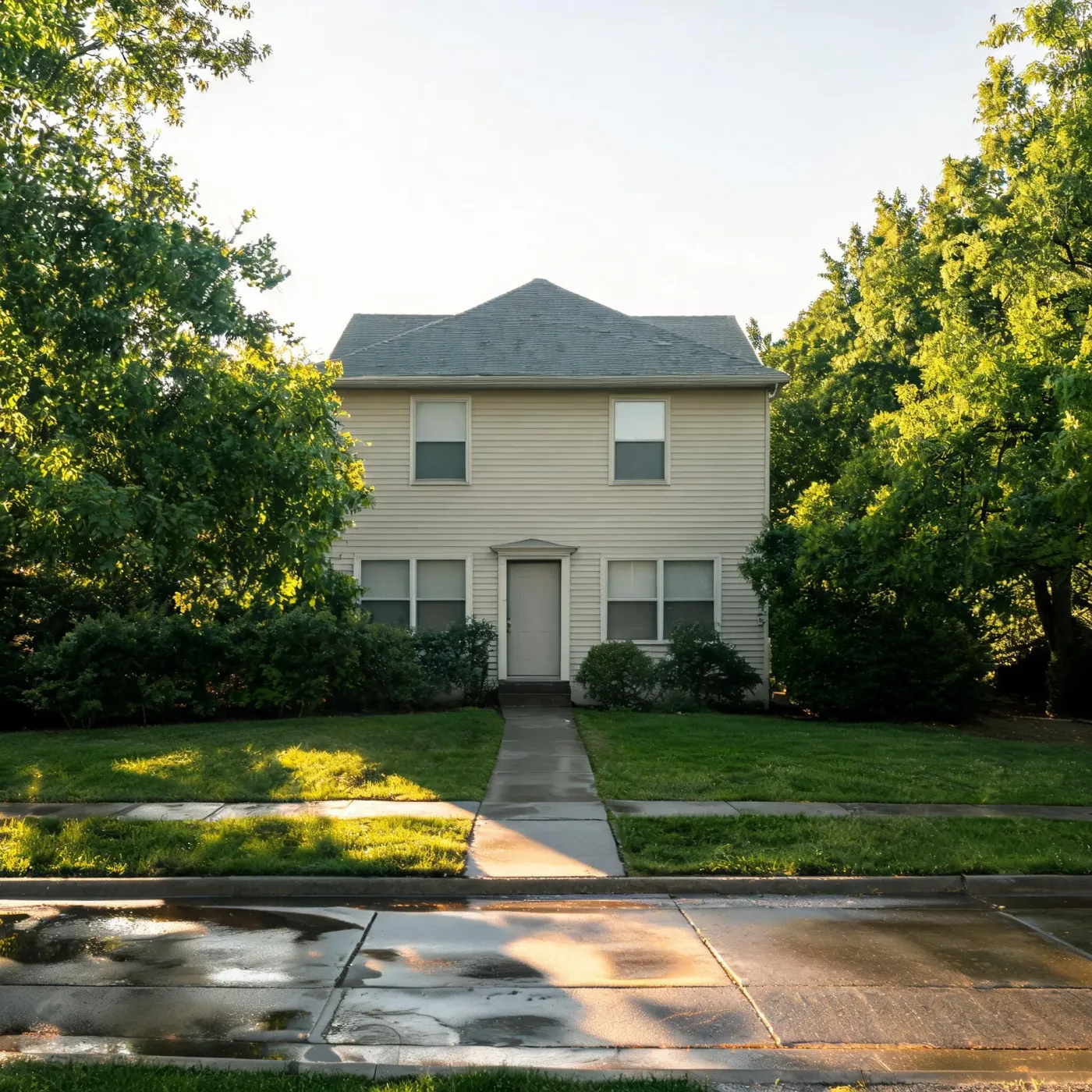
A two-story cream-colored house with horizontal siding and a gray hipped roof, flanked by large green trees and shrubs, with a concrete walkway crossing a lawn to a wet street in the foreground.

Virginia summers run humid, with a dew point averaging 64°F across June, July and August, according to NOAA climate data. That same mini split pulling moisture out of the air every day all summer is why the coil and drain system see so much wear before winter even starts. Parts that sit wet for months corrode faster, and a thermistor or sensor already weakened by a humid summer is more likely to fail once the outdoor unit starts icing over in the cold. So the dead mini split you're looking at in January may have roots that go back to August.

NASA POWER T2MDEW county cells weighted by homes

A man in a dark blue shirt stands in an open front doorway of a stucco and wood-clad house, facing a blond woman seen from behind in the foreground on a stone walkway.

A mini split that won't start in the cold has a reason behind it

A frozen outdoor unit, a thermistor that stopped reporting temperature, a defrost cycle that never got the signal to run. Whichever it is, the system isn't broken in a way that fixes itself by morning. Someone has to get into the outdoor unit, find which part stopped doing its job, and replace it.

That's work for a contractor who knows this equipment, not a guess from the breaker panel. A local tech who services mini splits through Virginia winters has seen this exact failure before and knows where to look first. Ask to be matched with one, and the contractor who reaches out will be someone who actually works on this equipment, not a dispatcher routing you to whoever's free. One call, one company, someone who can tell you what's wrong with your unit and get it running again before the next cold morning.

Interior corner of a living room with a beige upholstered sofa and dark cushion in the foreground, a ceramic vase of leafy branches on a dark side table by a curtained window, a framed picture on the wall, and a wood-surround fireplace at right.
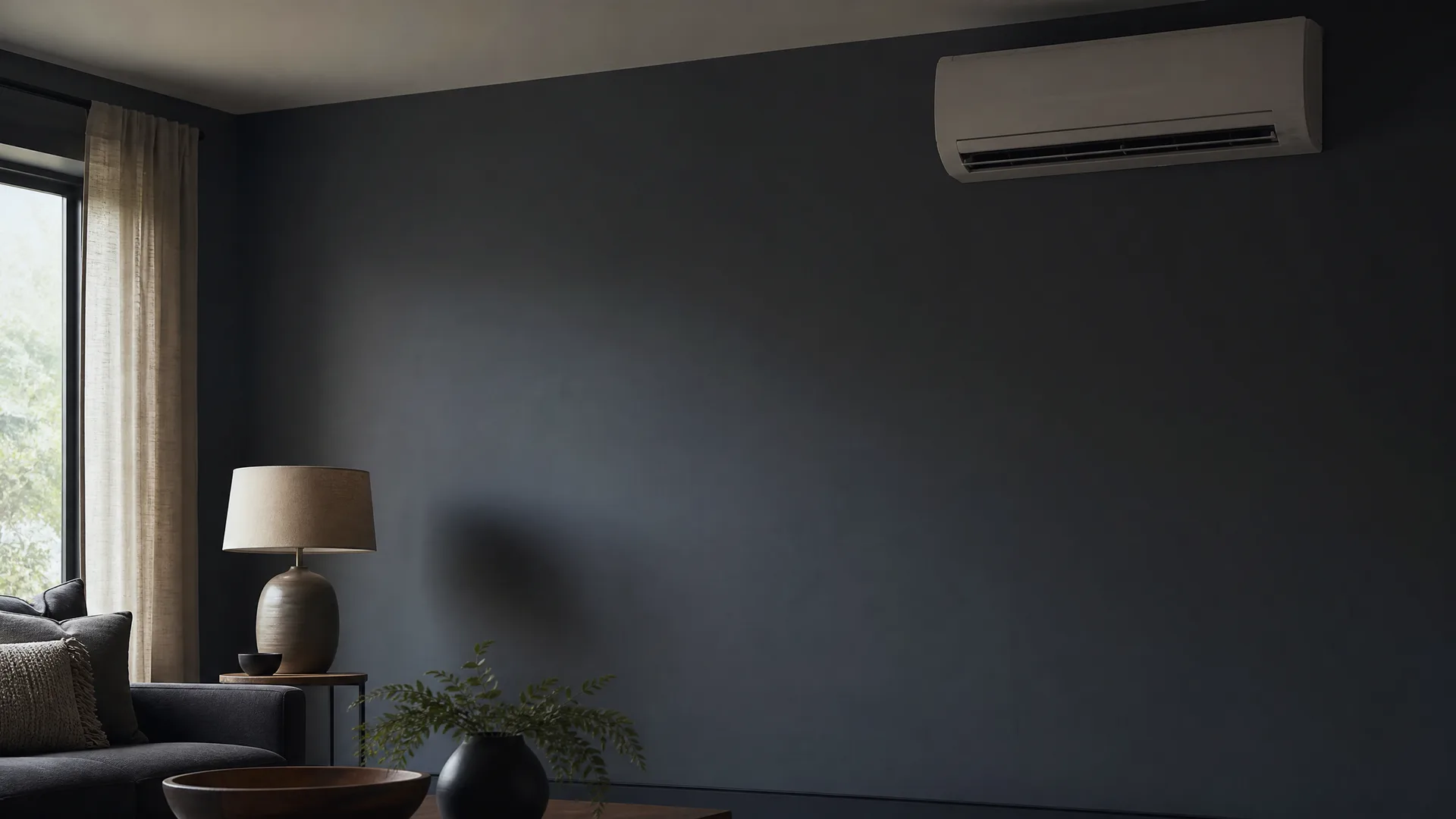
A dimly lit room with a dark gray wall holding a white wall-mounted mini-split air conditioner near the ceiling, with a sofa, table lamp, potted plant, and curtained window at left.

The right pro for this job

Your request goes to one pro, not a list of companies.

Step 1 of 3: Equipment