

Profile view of a bearded man wearing a dark green baseball cap and a dark gray T-shirt against a plain light background.

Why your mini split has ice on it in a Virginia winter

Step 1 of 3: Equipment

Ice on the outdoor unit in winter usually means the mini split is stuck in defrost trouble, not actually broken from the cold. A heat pump pulls warmth from outside air even when it's near freezing, and frost builds on the outdoor coil as part of normal operation. It's supposed to melt that off on its own every so often by briefly running in reverse. When ice keeps building instead of clearing, something is stopping that defrost cycle: a sensor reading wrong, a fan that's slowed down, low refrigerant, or a reversing valve that's stuck. Virginia winters bring enough nights near or below freezing for this to show up more than once a season. Left alone, the ice keeps the coil from pulling heat, the unit works harder for less warmth, and ice can spread to parts of the system that shouldn't be carrying it at all.

A bearded man in a blue and brown plaid flannel shirt stands indoors looking out a window at snow-covered trees, with a ceramic mug on the windowsill.
A man in a blue T-shirt sits on a light gray sofa, laughing while looking at an open laptop in the foreground, with a framed picture, lamp and potted plant behind him.

What normal frost looks like

A thin layer of frost across the outdoor coil on a cold morning is nothing to worry about. The unit runs a defrost cycle on its own, usually reversing briefly to push heat outward and melt it off, then switches back to heating. You might hear the outdoor fan stop and notice steam or water coming off the unit for a few minutes. That's the system clearing itself. It happens more on damp, near-freezing days, which Virginia gets plenty of between December and February. If the frost disappears within an hour or so and comes back thin the next cold morning, the unit is doing what it's built to do.


What a thick ice buildup means

Ice that's thick, covers the coil fins solid, or climbs up the sides of the outdoor unit is different from a light frost. That usually means the defrost cycle isn't kicking in on schedule, or something is blocking airflow so the coil can't shed heat and melt itself clear. A outdoor fan that's stopped turning, a sensor reading wrong, or a coil packed with ice from a cycle that never ran will all show up as ice that sits there instead of melting away within an hour. Left alone through a cold snap, that ice only builds with each passing night.

A woman in a cream cowl-neck sweater sits by a window with snow outside, in a dimly lit living room with a sofa, lit lamp, mirror, candles and a fireplace.
A woman in a gray turtleneck sweater sits beside a large window looking out at snow-covered evergreen trees, in a dimly lit living room with a lit fireplace, lamps, couch and houseplant.
A woman in a cream turtleneck sweater stands beside a large window with snow-covered ground and bare trees outside, in a dimly lit living room with lamps, a sofa and framed art.
A woman in a grey cowl-neck sweater stands indoors near a window, looking out at falling snow, with a lamp, framed picture and couch in the warmly lit room behind her.

Frost melts off within the hour

If the ice is thin and gone by afternoon, the defrost cycle is doing its job. Keep an eye on it through the rest of winter.

Get my match

Ice stays put or builds up thick

If frost turns to solid ice and doesn't clear on its own, the defrost cycle isn't working right. That's worth having a contractor look at before it gets worse.

Get my match

Why does my mini split keep icing up when it's cold out?

You've seen frost on the outdoor unit before and it cleared on its own, but this time it's back again after a cold night and you're starting to wonder if it's something that's going to keep happening all winter, or if there's a part that's wearing out.

A faulty defrost sensor or reversing valve is the usual cause

A mini split checks the temperature of its outdoor coil with a small sensor, and that reading tells it when to flip into defrost mode. If that sensor drifts or fails, the unit doesn't know it needs to defrost, so frost keeps building with nothing to stop it. The other common cause is the reversing valve, the part that switches the system between heating and defrost. If it sticks, the unit can't push heat outward to melt the coil even when it tries. Either problem shows up the same way outside: ice that keeps coming back instead of clearing within an hour. Virginia winters bring enough cold mornings that a bad sensor or valve will keep icing up the unit until it's replaced.

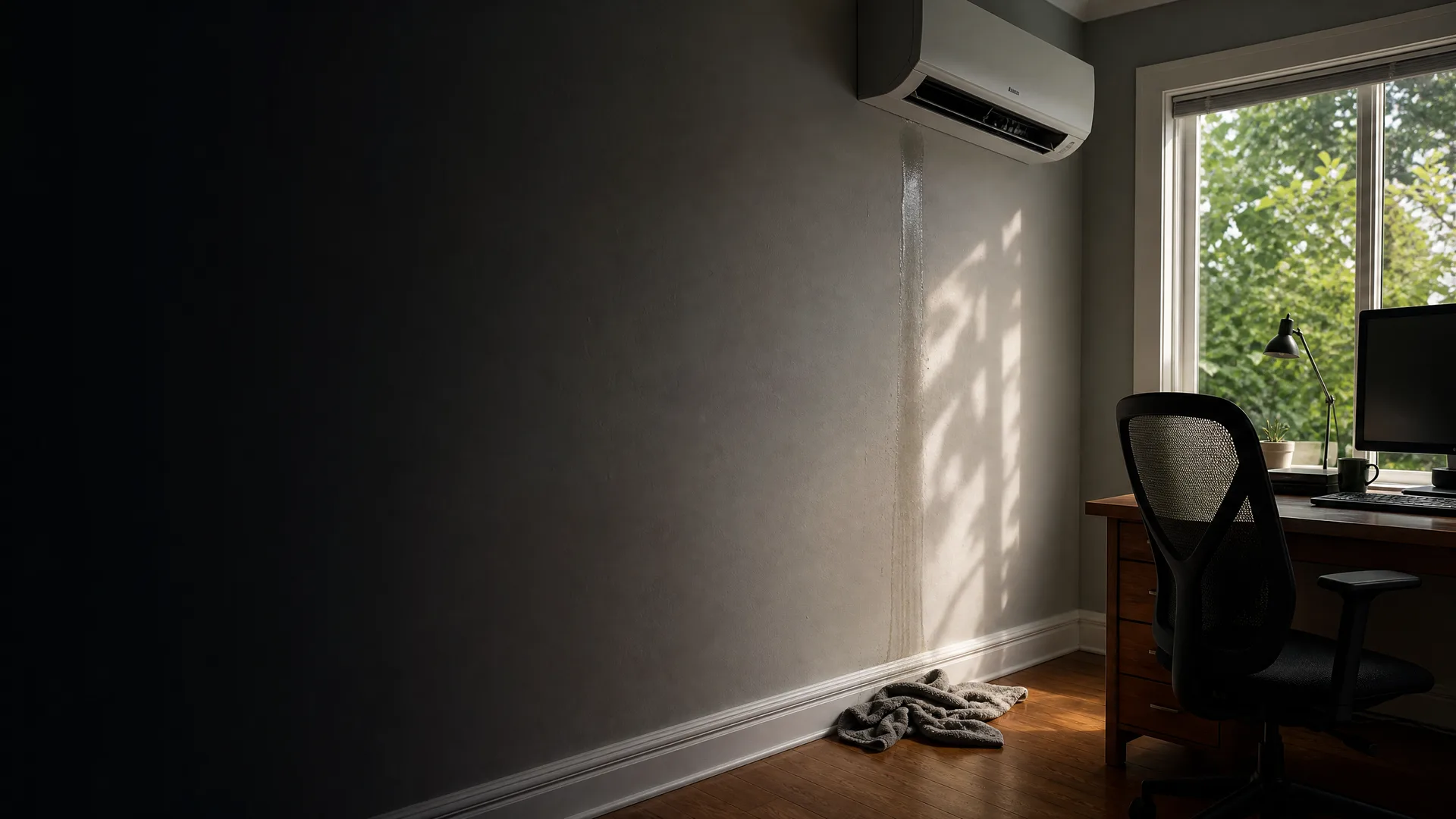
A wall-mounted mini-split air conditioner in a dim room, with a water streak running down the wall below it to a towel on the floor near the baseboard, beside a desk, office chair and monitor by a window.

It's late afternoon and you're in the home office, the one with the indoor unit mounted over the desk. You catch a drip out of the corner of your eye. There's a wet streak running down the wall below the unit, and when you look closer, water's beading along the bottom edge of it. You grab a towel off the hall closet shelf and lay it on the floor under the drip. Outside, the sun's still up, nothing near freezing. You stand there a second looking at the wall, trying to remember if this unit's done this before. It hasn't, not like this.

Get your mini split to the right pro

A mini split that won't clear its own frost through a Virginia winter isn't going to fix itself by spring. The defrost board, a sensor, or the reversing valve could be behind it, and none of those get better left alone. Most homes in the state heat with electricity, so a unit stuck defrosting or running its backup heat strip to compensate is pulling power it shouldn't need to, and that shows up on the bill before it shows up as a bigger repair. Finding someone to look at it usually means searching around for HVAC contractors who work on ductless systems, calling a few, describing the ice and the drip to each one, then sitting on quotes trying to compare them against each other. Hand that off instead. Answer a few questions about what you're seeing on the unit, and a contractor who works on mini splits in your area will reach out to you directly, so you're explaining it once instead of five times.

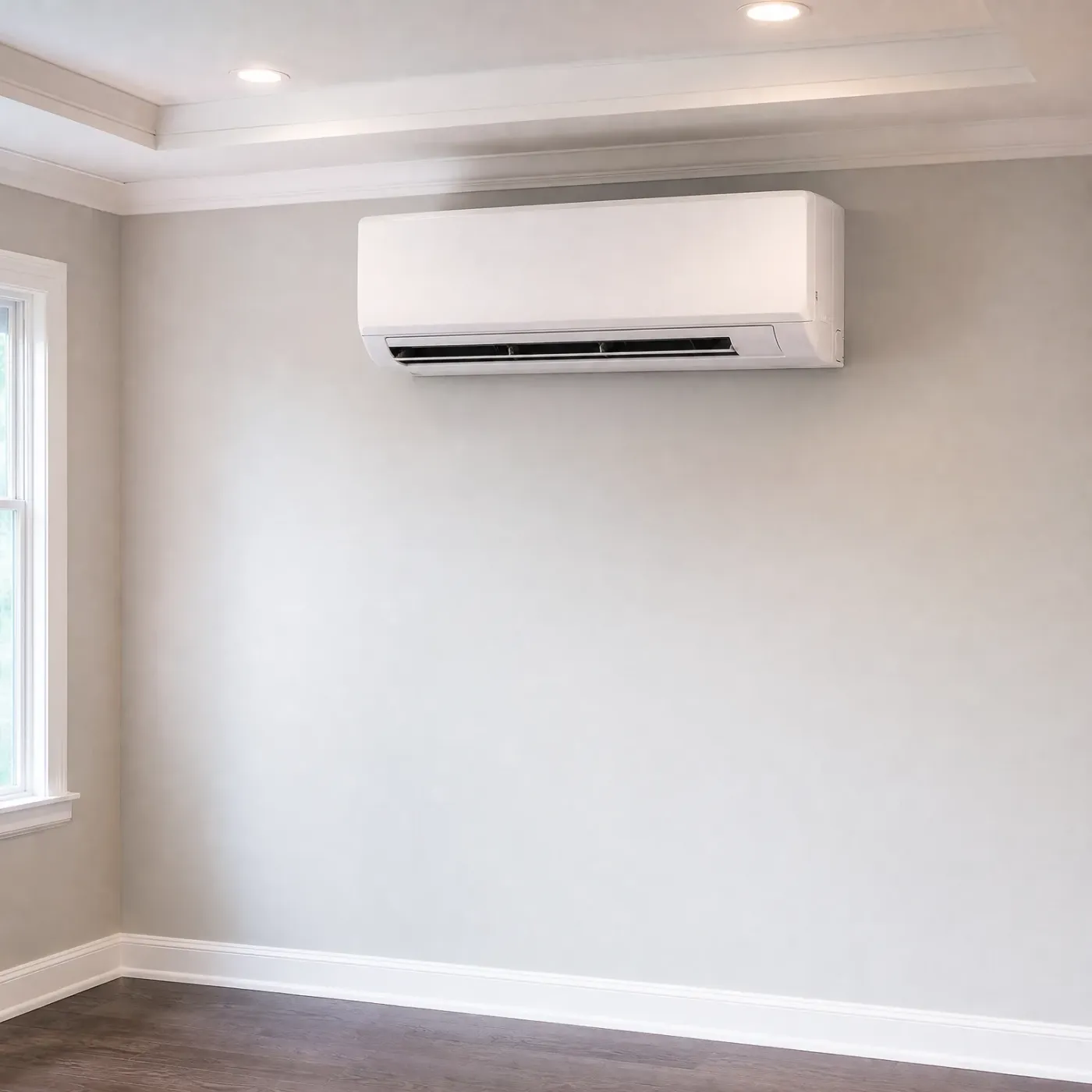
A white wall-mounted mini-split air conditioner on a light gray wall in an empty room with dark wood flooring, white baseboards, a tray ceiling with recessed lights, and a window at the left.

Running clean

This is what a mini split should look like through winter. The coil stays clear between defrost cycles, the cabinet is clean, and there's no staining around the vents. Air moves through without a fight.

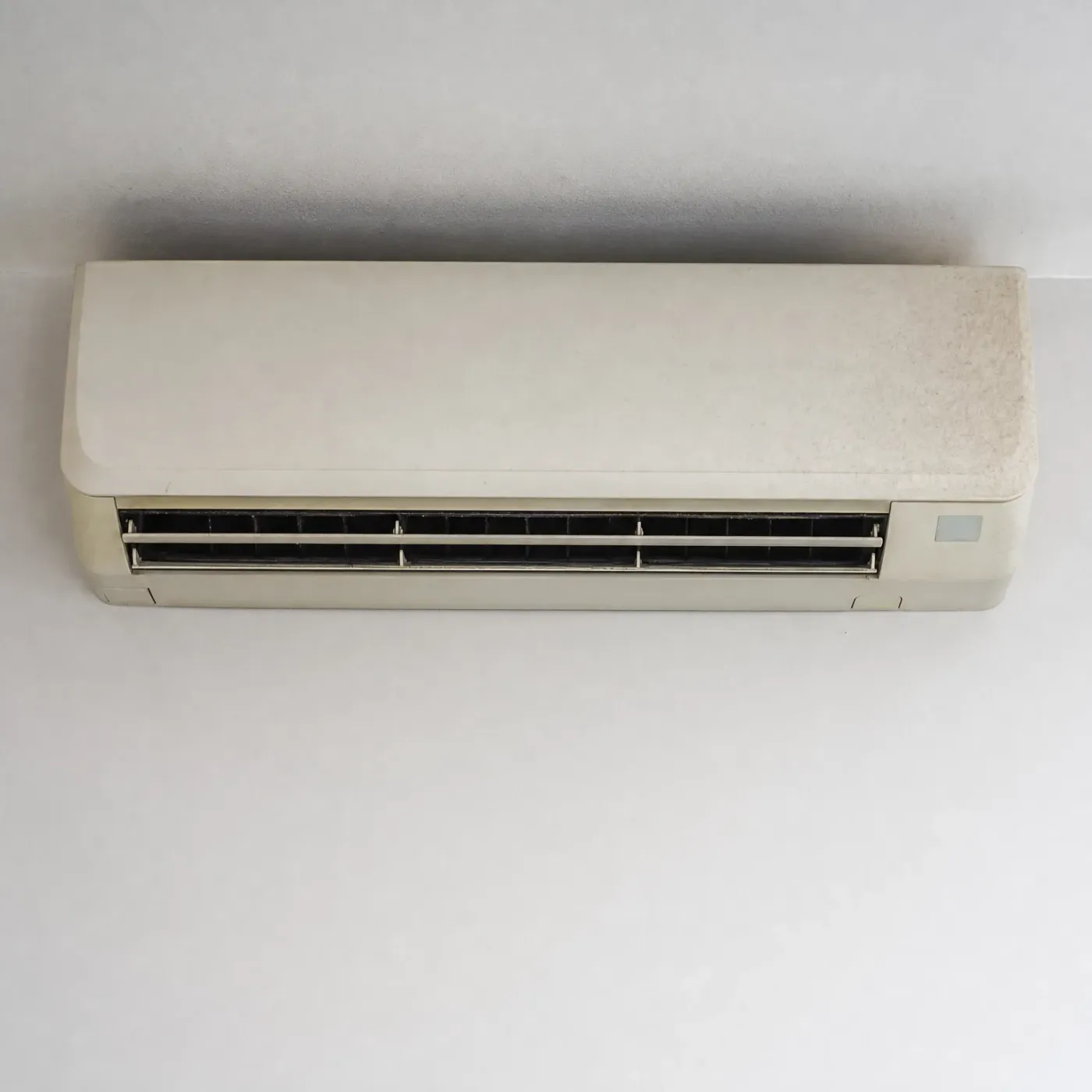
A wall-mounted mini-split air conditioner indoor unit with a yellowed plastic casing and dark horizontal vent louvers, installed on a plain light-gray wall.

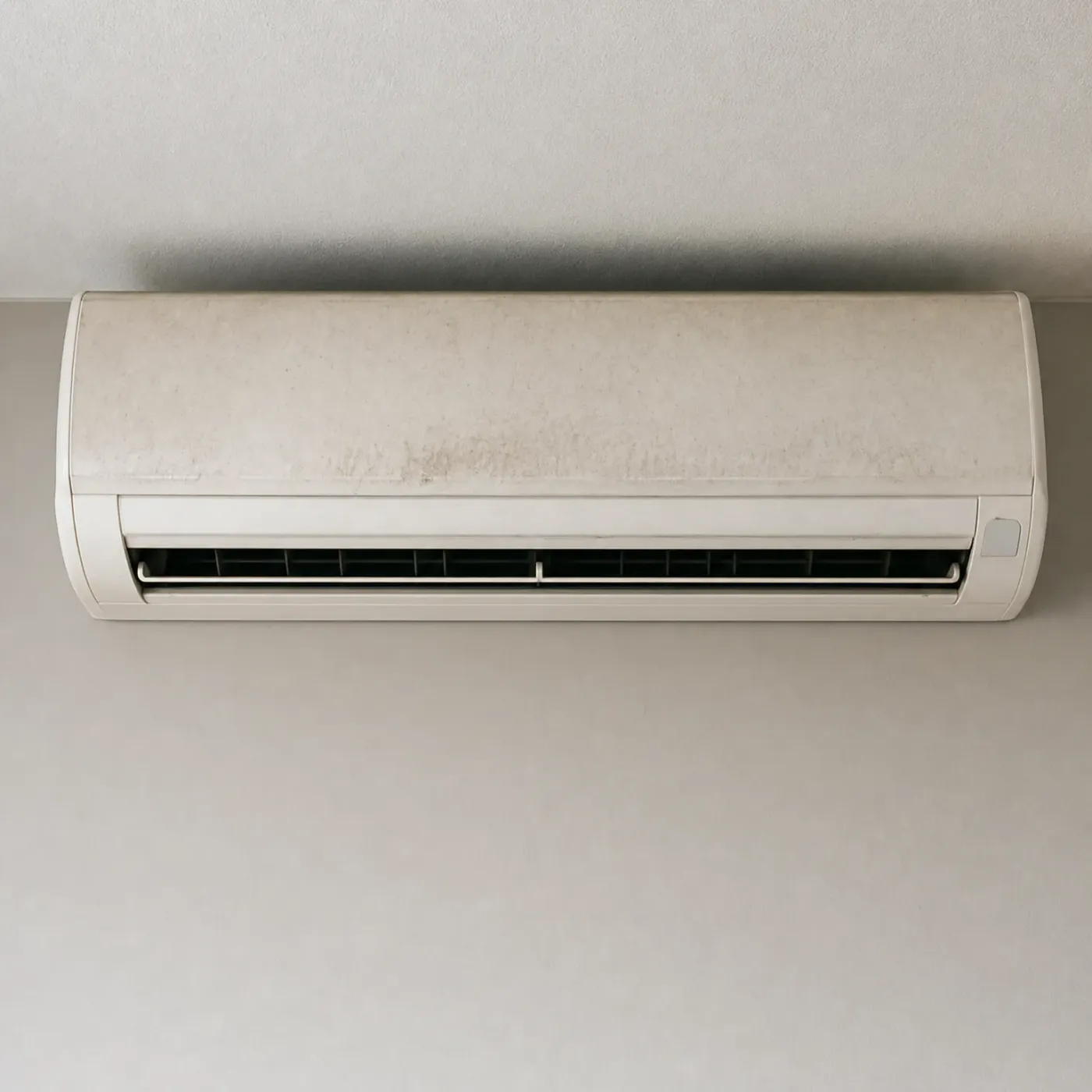
Running dirty

Dust on top and dark residue around the vents mean the coil underneath isn't breathing right. A unit working this hard to move air is more likely to ice up and stay iced, because a weak defrost cycle can't keep up with a dirty one.

A wall-mounted mini-split air conditioner indoor unit with a dusty, discolored cover, installed near the ceiling on a plain light-colored wall.
Before you get your mini split repair
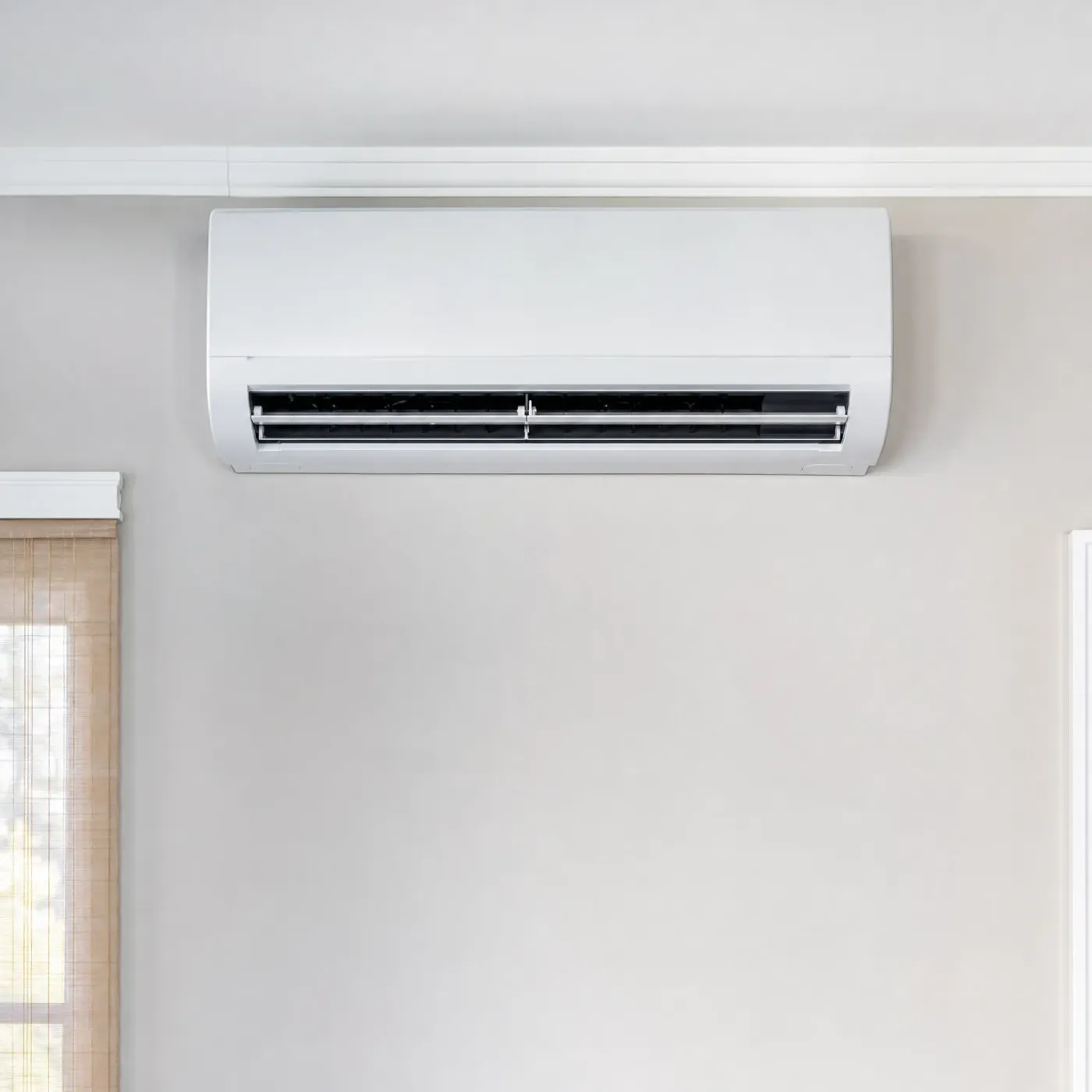
A white wall-mounted mini-split air conditioner unit installed high on a light gray interior wall below crown molding, with a bamboo-shaded window at the lower left.
After you get your mini split repair

You keep checking the outdoor unit yourself, clearing frost by hand and watching to see if it comes back thicker the next cold snap.

A contractor can tell you in one visit whether that's a bad sensor, a stuck reversing valve, or something wrong with the defrost board, instead of you guessing through another cold snap.

Power costs 15.28 cents per kilowatt-hour statewide

At 15.28 cents a kilowatt-hour, a mini split stuck running its defrost cycle over and over through a cold snap adds up fast on the bill, since it's pulling extra power each time it reverses to melt ice instead of just heating your home.

EIA-861 2025 statewide residential average

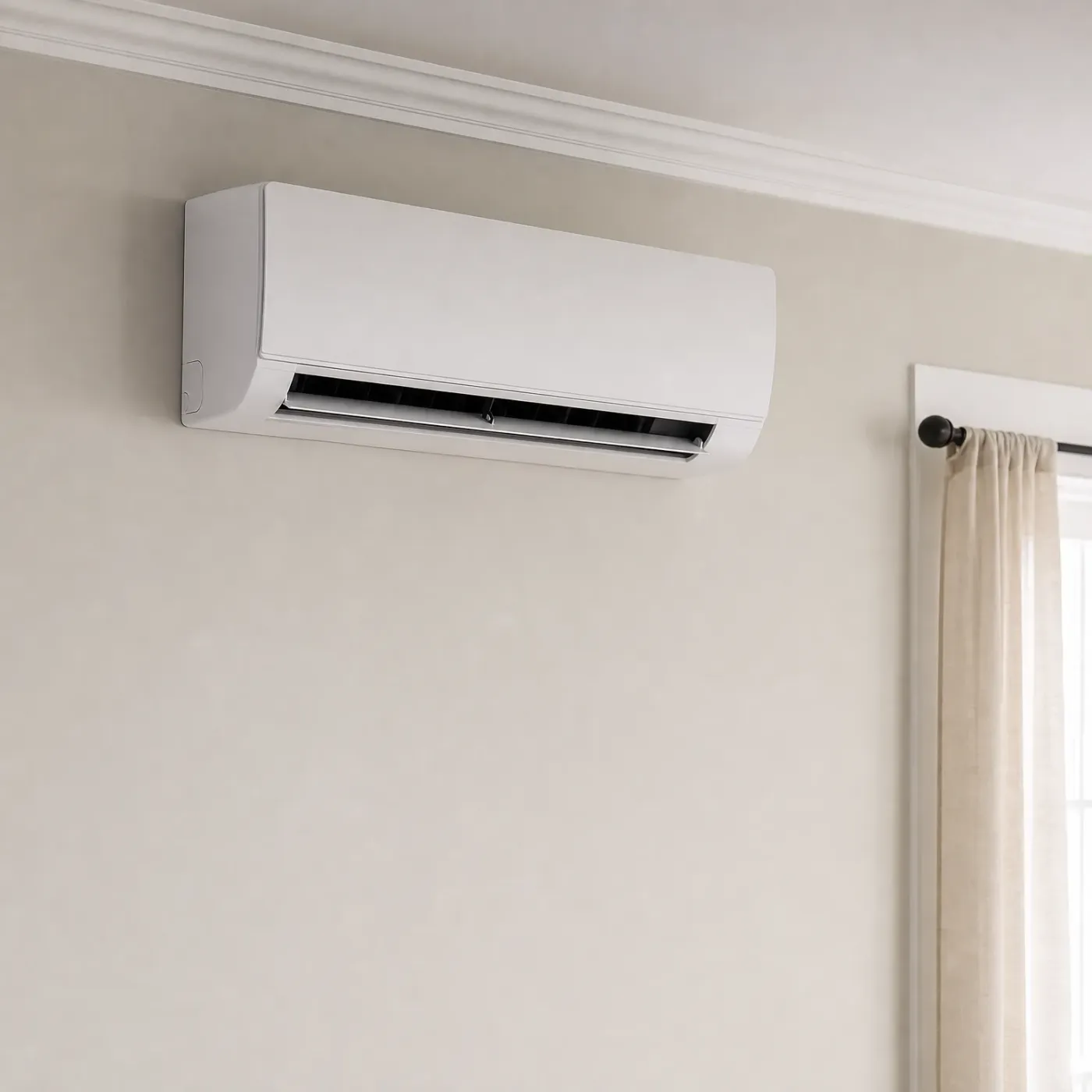
A white wall-mounted mini-split air conditioner installed high on a beige interior wall below crown molding, with a window and light curtain on a black rod at right.
The coil stays clear and the cabinet is clean, so the unit mounted over the desk just does its job through the cold.
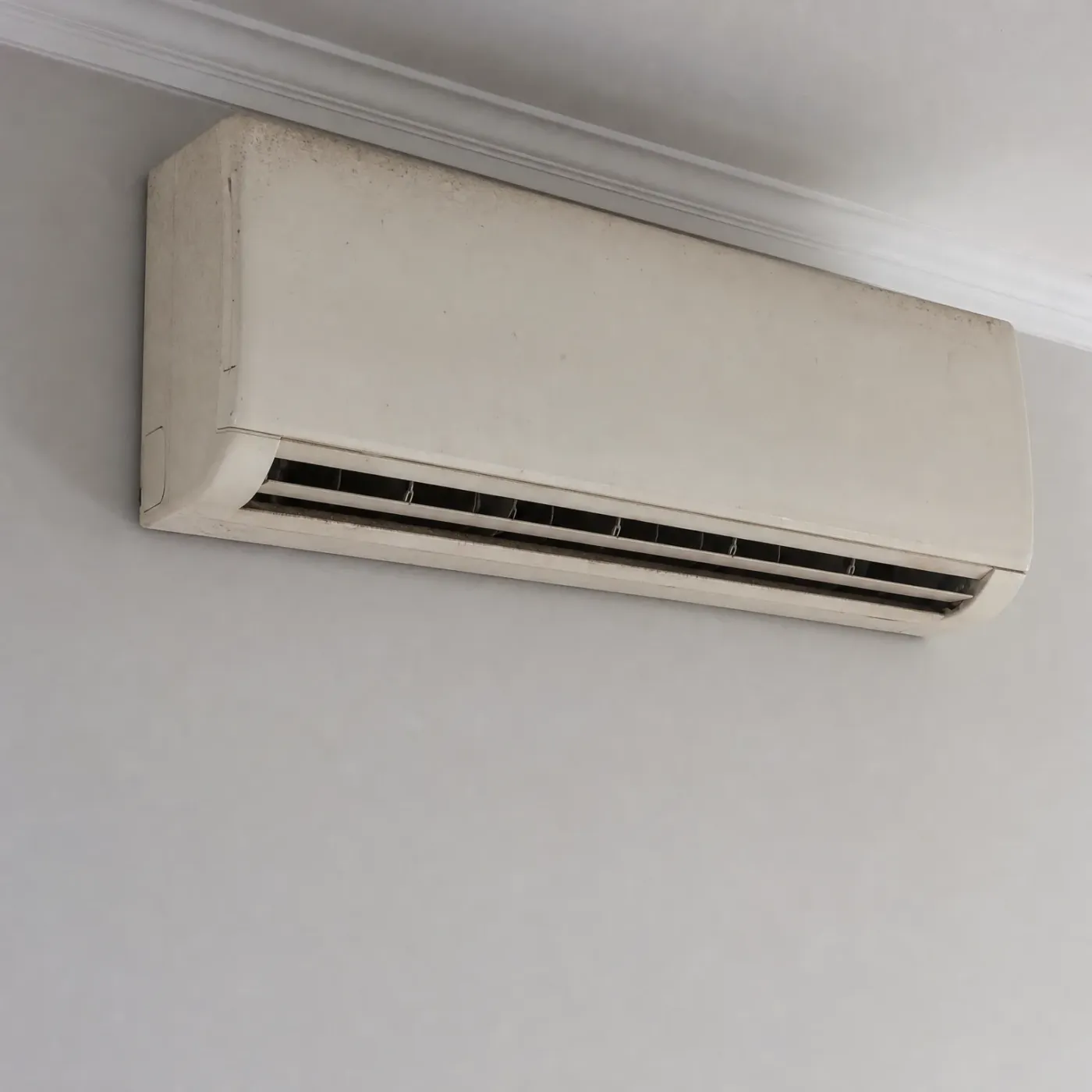
A wall-mounted mini-split air conditioner indoor unit with a dusty off-white casing and dark lower vent, installed high on a plain light-colored wall below a ceiling molding.
Dust cakes the casing and the finish has gone dull, a sign it's been a while since anyone looked at this one.
  1. The indoor coil pulls heat from the air outside your home.

  2. Refrigerant carries that heat to the outdoor unit's coil.

  3. Frost forms on the outdoor coil as it runs in cold air.

  4. The system reverses itself briefly to run a defrost cycle.

A smiling man in a denim shirt and white t-shirt stands in an open dark doorway of a stucco house, facing a woman with long brown hair and a green jacket seen from behind in the foreground.

Frost that melts off is fine. Frost that doesn't, isn't.

A mini split is supposed to frost up some on cold mornings and clear it on its own by afternoon. That's the whole system working the way it's built to. The trouble is when it stops clearing, when the ice sits there or comes back heavier after every cold snap. At that point you're not looking at weather, you're looking at a part that's failing: the defrost board, a sensor, the reversing valve.

You know your unit well enough to tell the difference, and that's exactly why this is worth sorting out now instead of in February. A contractor who works on these systems can look at the frost pattern and the cycle timing and tell you in one visit what's actually wrong, instead of you running through guesses on your own. Get matched with one who handles mini splits in your area and they'll reach out to go over what you're seeing.

A gray upholstered sofa with a matching cushion sits beside a potted plant and a wooden table holding a small green plant in a stone pot, near a curtained window.
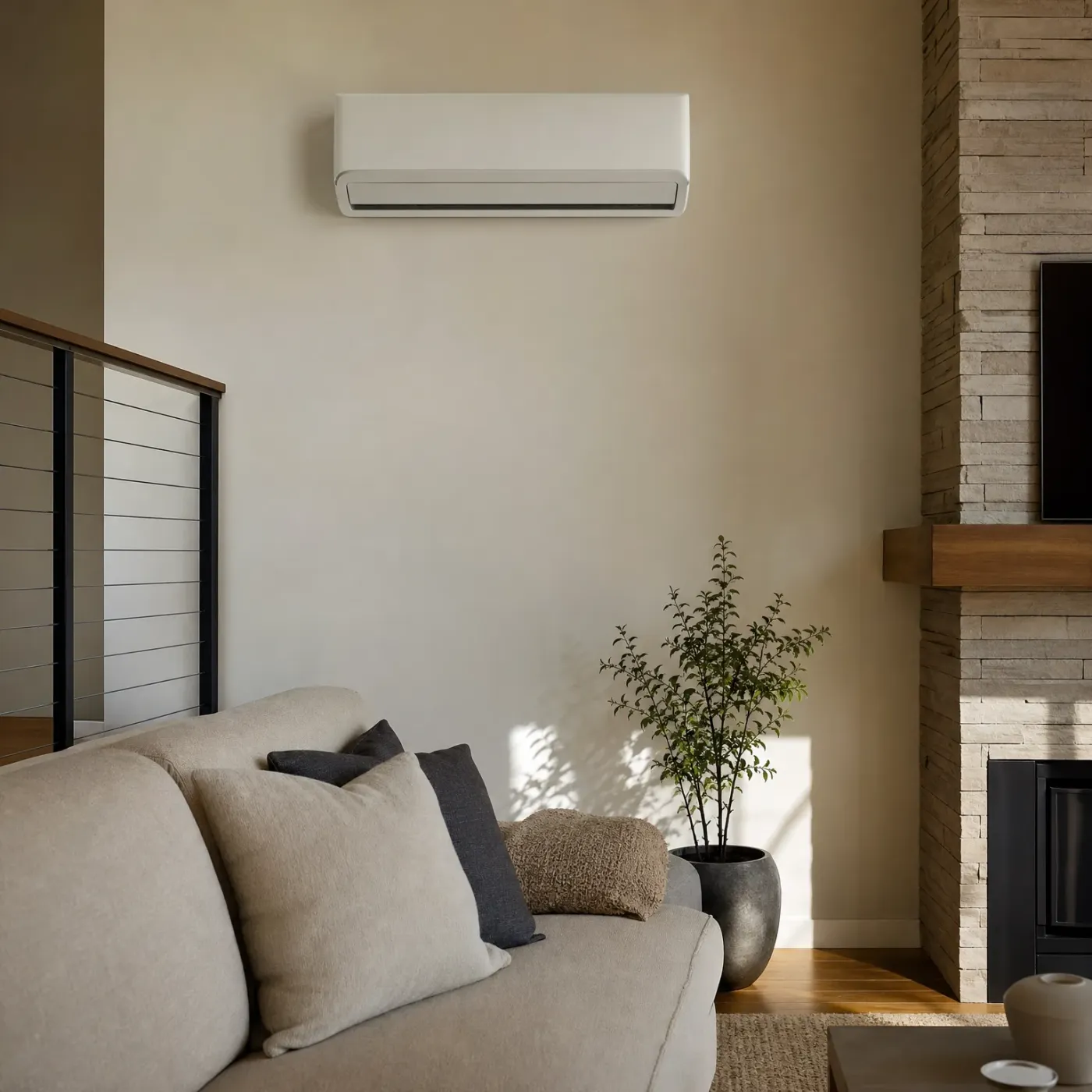
Interior living room with a white wall-mounted mini-split air conditioner high on a beige wall, a light gray sofa with cushions, a potted small tree, a stacked-stone fireplace with wood mantel and mounted TV, and a cable railing at left.

The right pro for this job

Skip the search

Explain the job once and skip repeating it on every call.

It costs nothing to send, and you don't have to hire anyone.