Tell us about the job
Takes about a minute. No obligation.
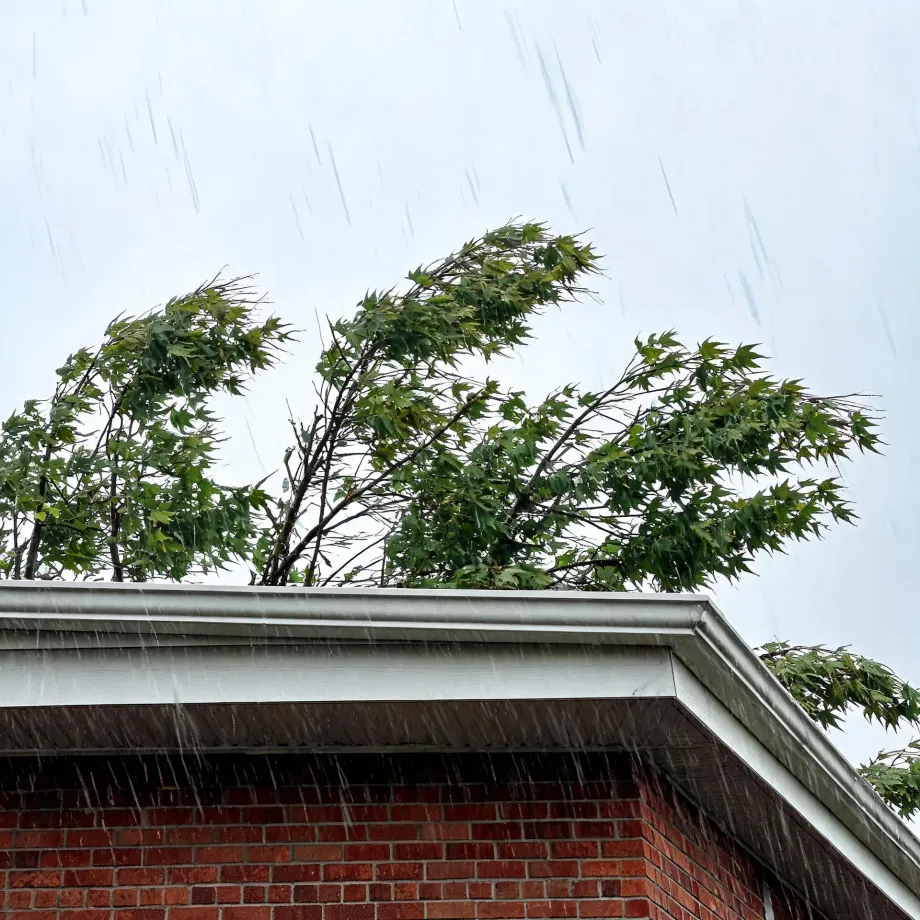
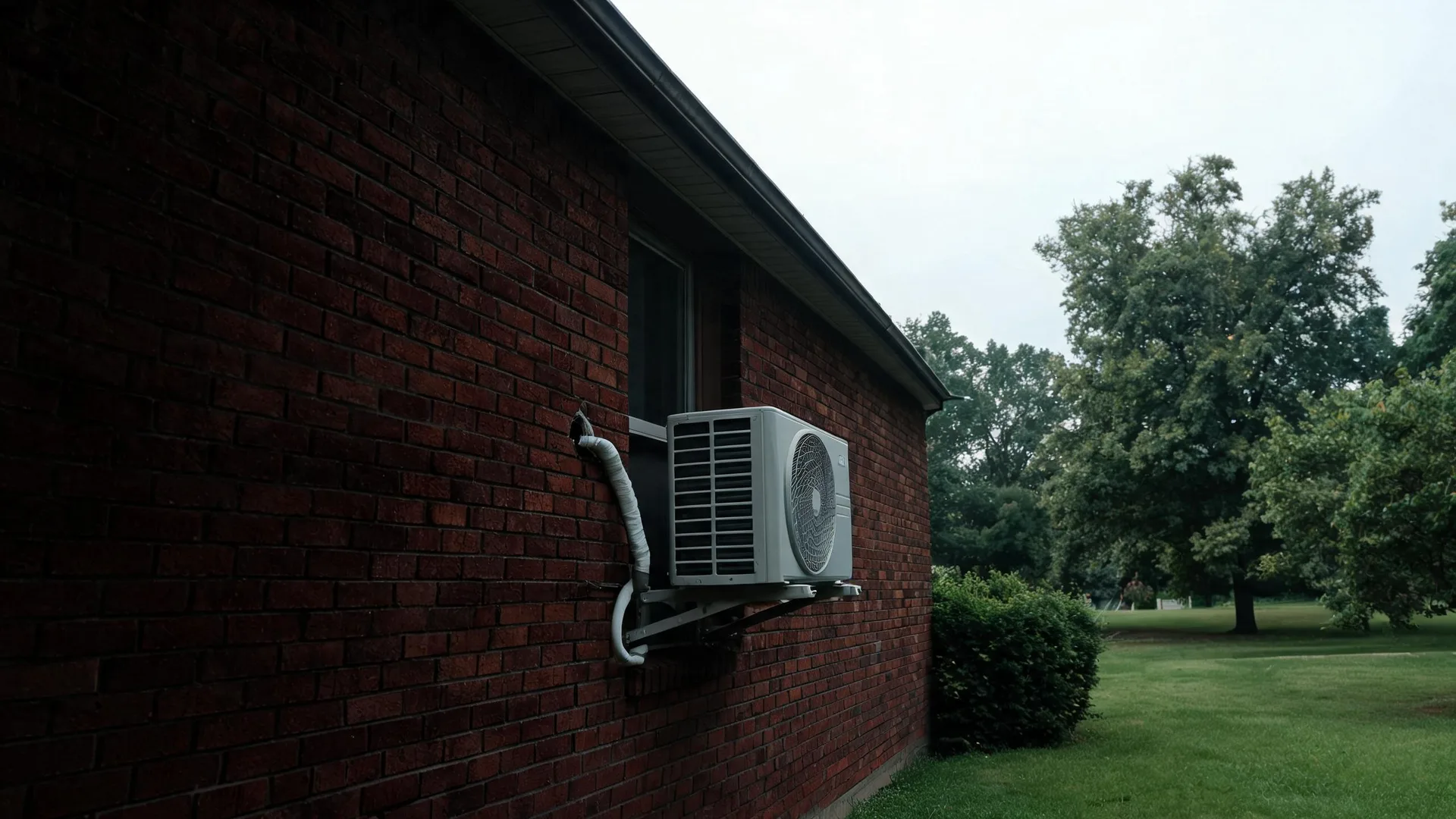
A mini-split installation in Lunenburg County starts with what the site actually demands, not with assumptions carried in from busier climates. 56 severe weather events were recorded in Lunenburg County, Virginia between 2015 and 2024. At that rate, severe weather lands as an occasional disruption rather than a standing condition, so a contractor arriving to size and place a new system is working through duct-free zoning, wall orientation, and the heat load of the specific rooms before the weather record enters the calculation at all. The outdoor unit placement a contractor recommends here is driven by shading and airflow, not by bracing against repeated storm stress.
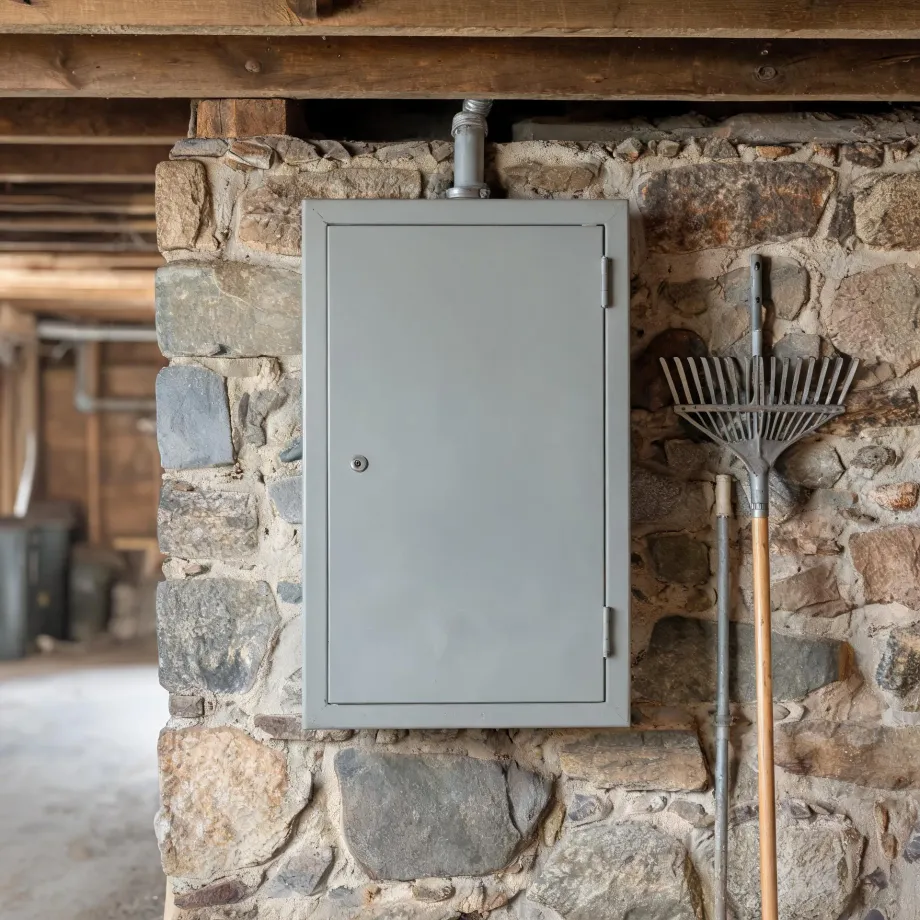
Older wiring is the variable a contractor has to settle before anything else on a mini-split job here. Half the homes in Lunenburg County, Virginia were built in 1972 or earlier (2020-2024 ACS 5-year). Electrical service put in when those houses were built was sized for the loads of the time, and a mini-split draws differently than what those panels were designed to feed. Ductwork is not the question on a mini-split install, but the electrical panel is, and what a contractor finds there decides whether the job is straightforward or whether the panel itself needs attention first.
What a Mini-split Installation Puts in Your Home
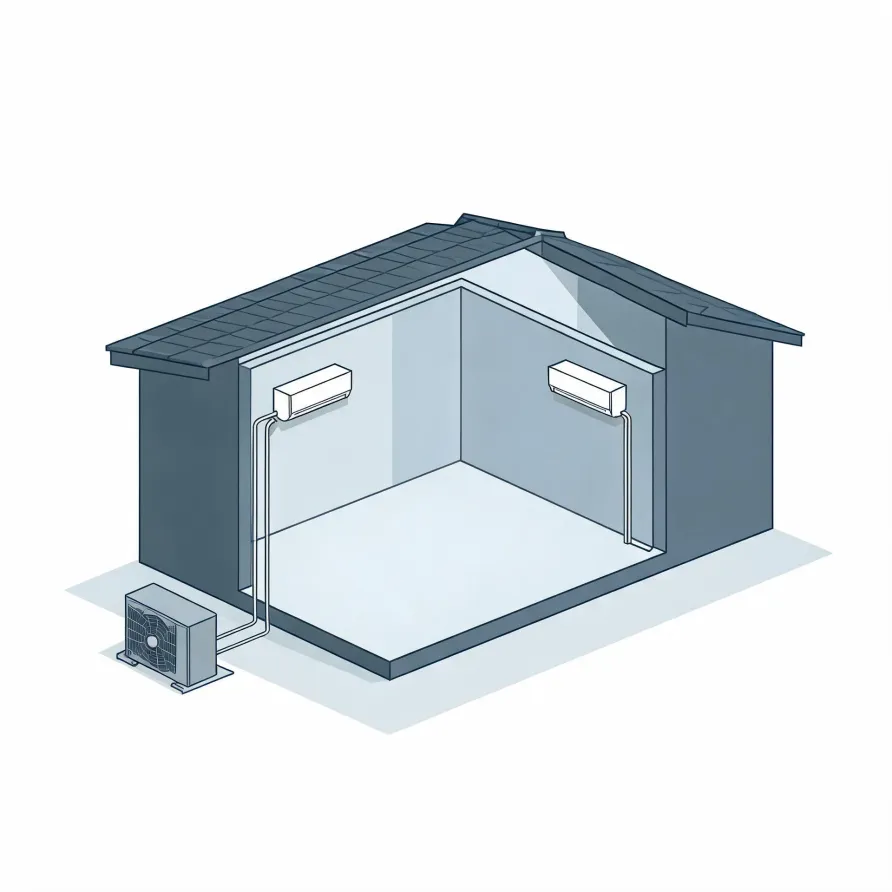
The indoor air handler mounts high on an interior wall in the room being conditioned, and it is the piece a homeowner sees every day. The outdoor unit sits on the ground or a bracket outside the house and holds the compressor and the condenser coil, doing the mechanical work of the system.
A conduit running through a small opening in the wall carries the refrigerant lines, the power cable, and the condensate drain line that connect the two units. A drain line runs from the indoor head to an exterior discharge point, carrying away the moisture the unit pulls from the air.
The drawing shows a typical layout, and a licensed contractor determines exactly how each piece is positioned and routed for your specific home.
Get matched in Lunenburg CountyLunenburg County, by the numbers
56 severe weather events were recorded in Lunenburg County, Virginia between 2015 and 2024.
NOAA National Centers for Environmental Information, Storm Events Database, bulk CSV export, events 2015-01-01 through 2024-12-31.Half the homes in Lunenburg County, Virginia were built in 1972 or earlier (2020-2024 ACS 5-year).
U.S. Census Bureau, 2020-2024 American Community Survey 5-Year EstimatesLunenburg County, Virginia holds 5,908 housing units (2020-2024 ACS 5-year).
U.S. Census Bureau, 2020-2024 American Community Survey 5-Year EstimatesOwners occupy 71.5% of the occupied homes in Lunenburg County, Virginia (2020-2024 ACS 5-year).
U.S. Census Bureau, 2020-2024 American Community Survey 5-Year EstimatesCodes & Standards Covering Mini-Split Installation in Lunenburg County, Virginia2 sourced rules and standards
Licensing and Legal Requirements in Lunenburg County, Virginia
Virginia’s contractor licence classes start above $1,000: the entry class covers a single contract or project over $1,000 but less than $30,000, or less than $250,000 of work in any 12-month period, with larger classes above that.
Virginia requires a contractor licence: no person may engage in, or offer to engage in, contracting work in the Commonwealth without one.
Severe Weather Events in Lunenburg County, Virginia
Lunenburg County's weather record shapes how hard heating and cooling equipment has to work over its lifetime. A mini-split sized and installed for local conditions holds up better than one specified for somewhere else.
56 severe weather events, 2015–2024. Source: NOAA National Centers for Environmental Information, Storm Events Database.