
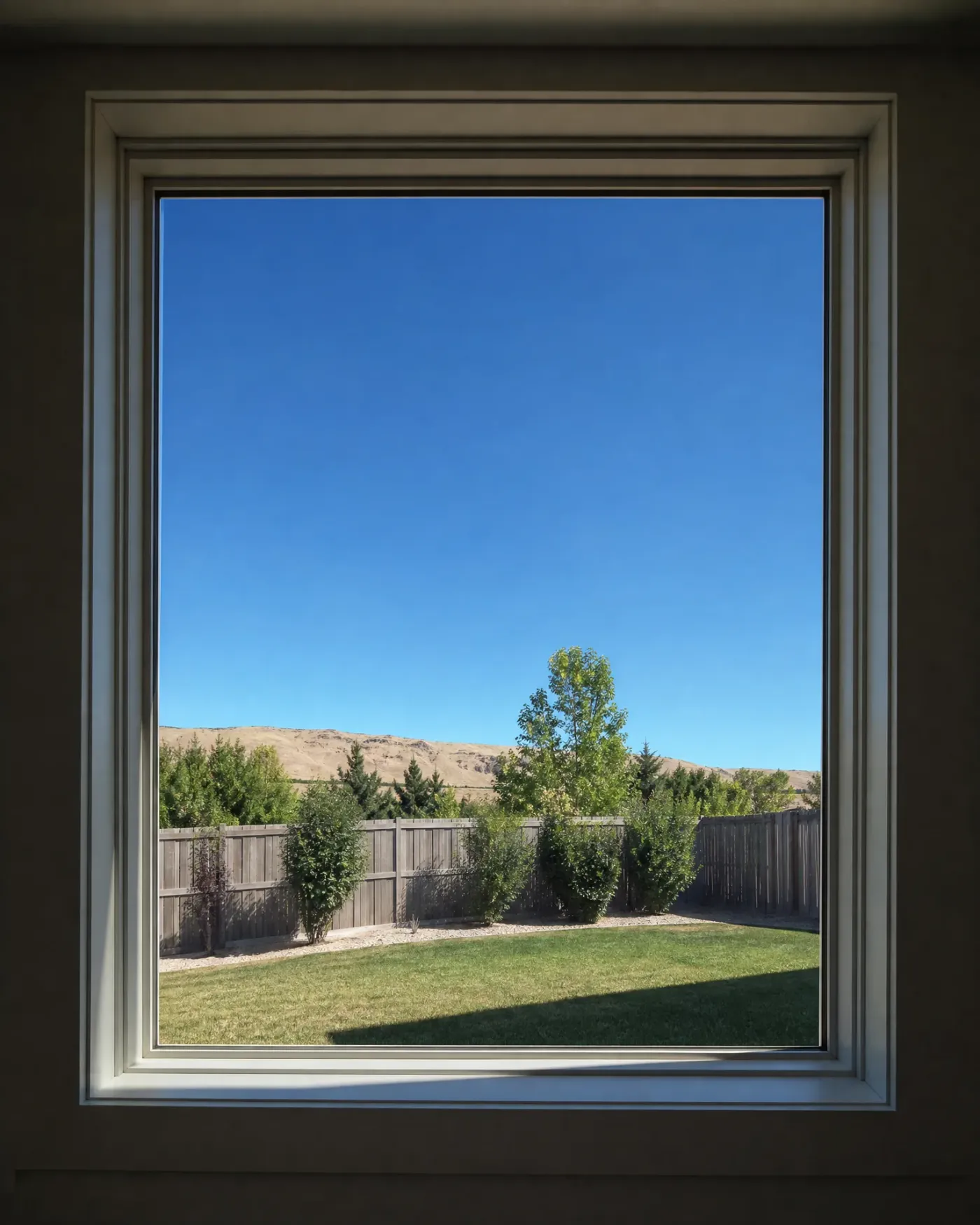
Above that point, it keeps up fine
Down to around 5 degrees, a mini split still pulls enough heat from the outside air to hold a steady temperature indoors. It cycles the way it should and the room stays warm without the backup heat kicking in.
Most mini splits start losing real heating power somewhere around 5 degrees Fahrenheit, and below that the unit may run constantly without keeping up. The cold outdoor air has less heat in it to pull inside, so the compressor works harder for less warmth, and ice can build on the outdoor coil faster than its defrost cycle clears it. Virginia doesn't often see stretches at or below that mark, but a hard cold snap can push past it, especially overnight. If your mini split is the only heat in the house, that matters, since a unit struggling in a deep freeze won't hold the temperature you're used to. Newer cold-climate models are built to keep working well below zero, but older or standard units are not. Knowing which kind you have, and whether it's sized and rated for the coldest nights your area actually gets, is the real question worth answering.
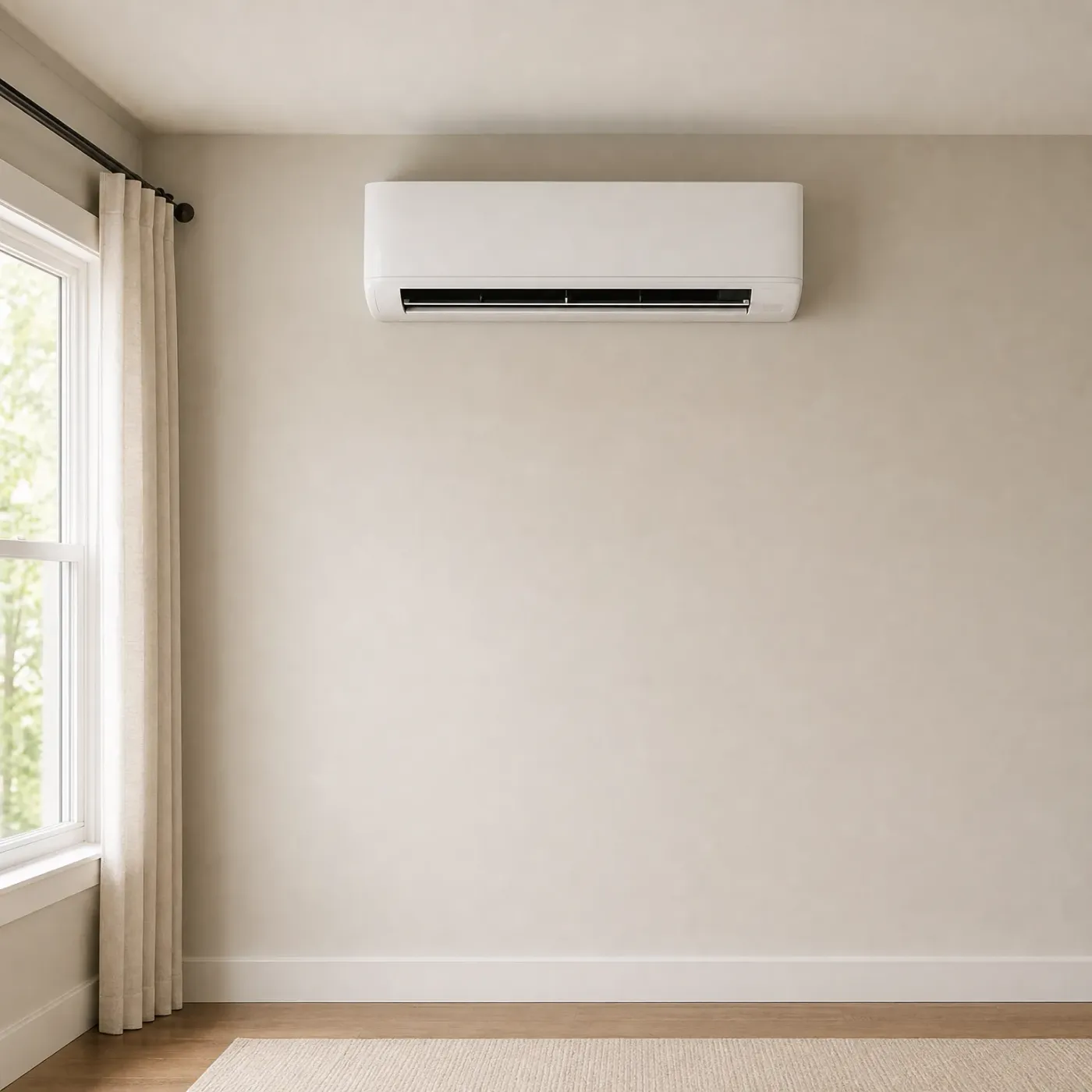
Down to around 5 degrees, a mini split still pulls enough heat from the outside air to hold a steady temperature indoors. It cycles the way it should and the room stays warm without the backup heat kicking in.
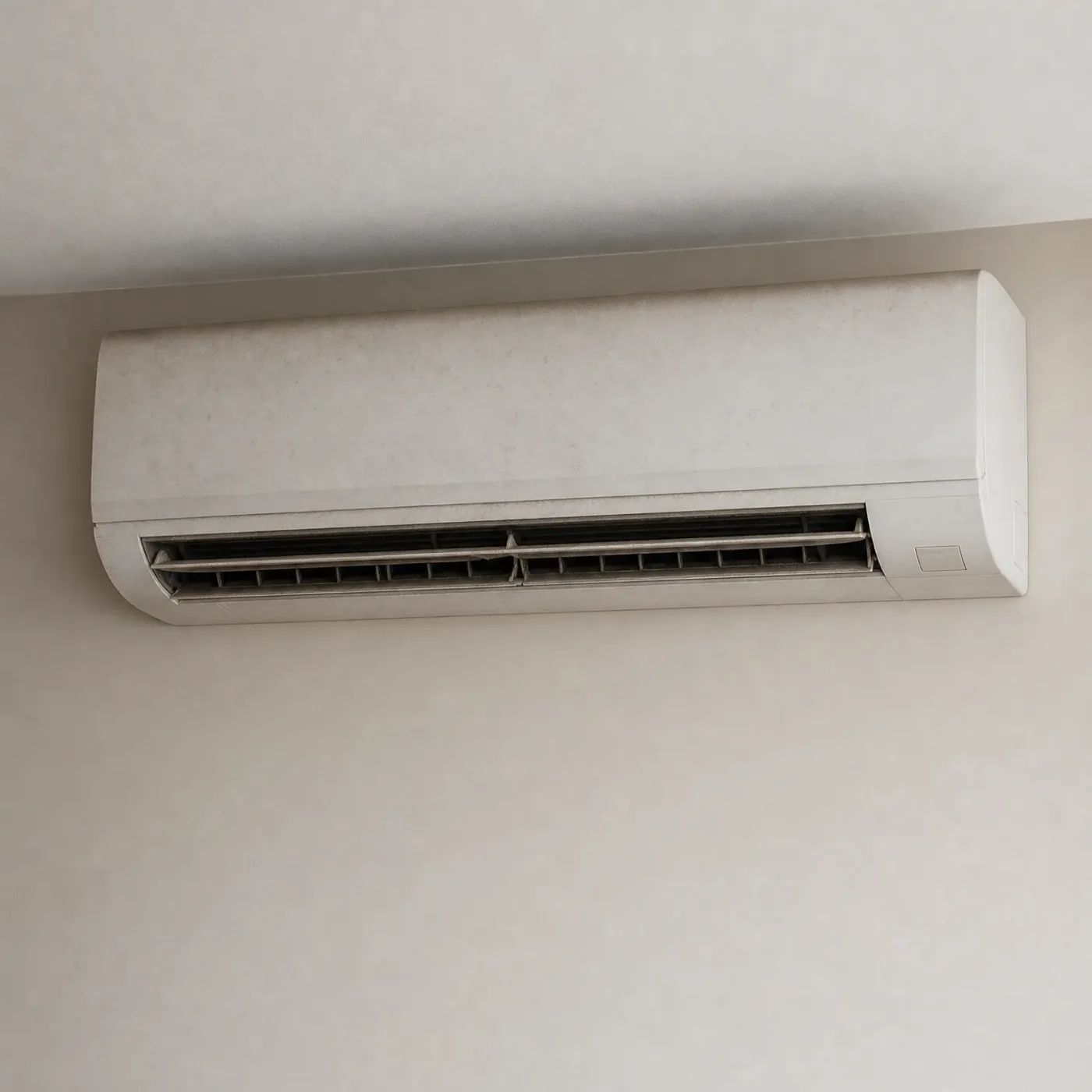
If the unit runs nonstop and the room still feels cool, or you notice frost building on the outdoor coil that doesn't melt off between cycles, the cold has gotten past what it can handle on its own.
Outdoor air passes over the unit's cold refrigerant coil.
Refrigerant absorbs whatever heat that cold air still holds.
The compressor squeezes the refrigerant, raising its temperature.
Hot refrigerant moves inside to the indoor coil.
On a hard freeze, check the air coming out of the indoor unit. If it feels cool instead of warm, or the fan is running but the room is slowly losing ground, the outdoor temperature has likely dropped past what the unit can pull heat from. You might also notice the outdoor unit running nonstop, frost building up on it that doesn't clear, or the room settling a few degrees below the thermostat setting and staying there. Since most homes in Virginia heat with electricity, a mini split that can't keep up means the backup heat is carrying more of the load, and that shows up on the power bill before it shows up anywhere else.




Once you send the form, finding a pro is off your list.
No charge to send it. You decide if you hire them.
A cold-climate mini split uses a compressor built to keep ramping up output as the temperature drops, so it can still produce meaningful heat down near 0 degrees or below.
That matters in Virginia mainly on the handful of nights a winter dips into single digits. The rest of the season, a standard mini split is already doing the job.
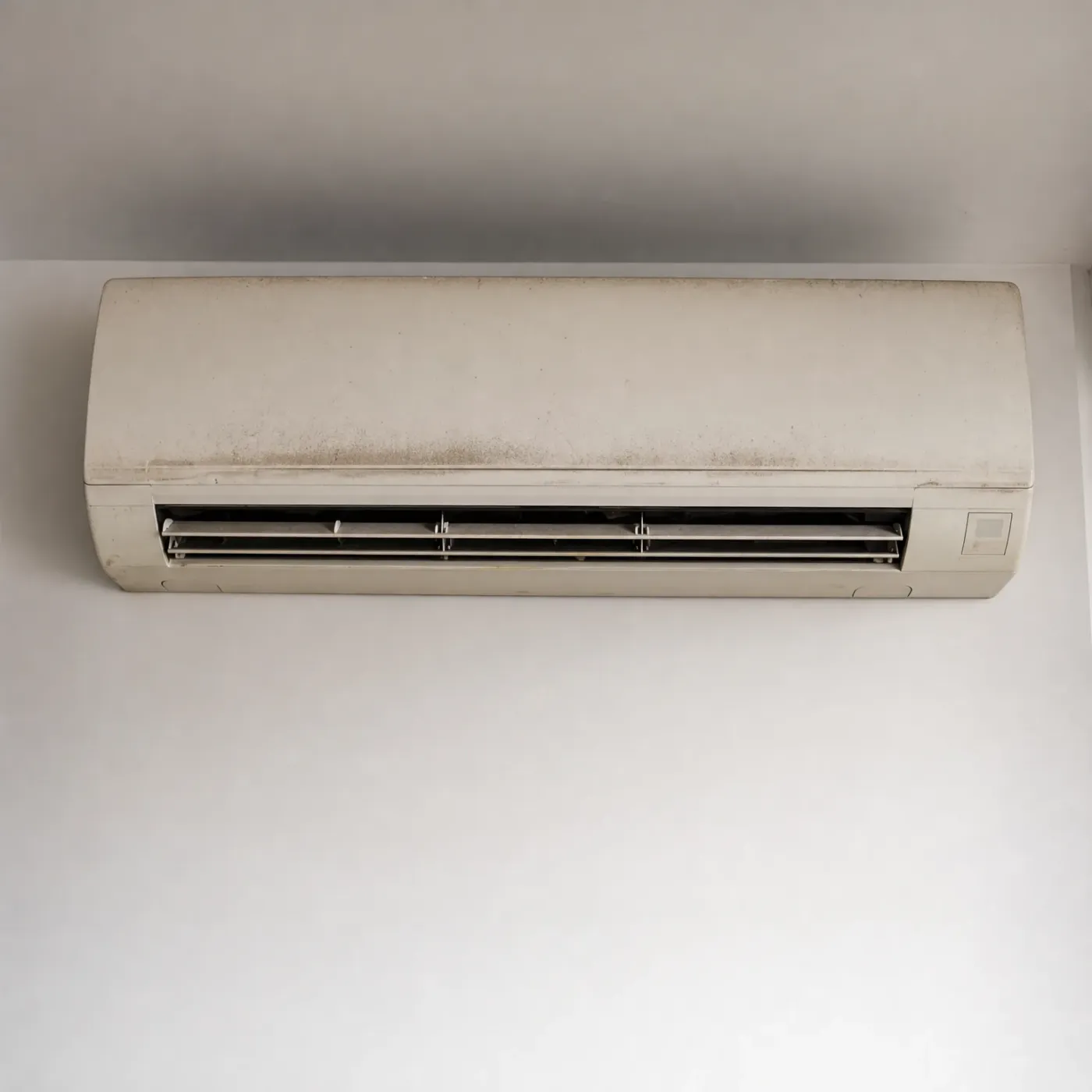

Summer here is the other side of the question. Virginia's summer dew point averages 64°F, per NOAA climate data, which is the sticky, heavy-air kind of muggy. Your mini split has to wring that moisture out of the air as it cools, not just drop the temperature. On a muggy afternoon you'll notice the unit running longer stretches to keep the room feeling dry, and the air coming out of the indoor unit should feel cool and dry, not cool and damp. If the room still feels clammy while it's running, it's not pulling out the moisture it should.
NASA POWER T2MDEW county cells weighted by homes
You hear the outdoor unit shut off, maybe see steam coming off it, and the fan stops for a few minutes while it's still freezing outside. It looks like the system giving up right when you need it most. Before you assume something's wrong, it helps to know what defrost mode actually does and when it's normal to see it running.
Frost builds up on the outdoor coil whenever the air is cold and damp enough, and the unit has to clear it off to keep working. During defrost, it briefly reverses the cycle, sends warm refrigerant through the outdoor coil to melt the frost, and the outdoor fan stops while that happens. It usually lasts a few minutes, then the system switches back to heating. You'll see it more on nights near freezing with some humidity in the air than on the coldest, driest nights. What matters is whether it recovers and goes back to heating normally afterward. If the outdoor unit stays frosted over, or defrost cycles run back to back with no real heating in between, that points to a separate problem worth having looked at.


Handles a typical Virginia winter without trouble. On the rare night it drops into single digits, you lean on backup heat until temperatures climb back above 5 degrees.
Keeps producing real heat even near 0 degrees, so those few hard-freeze nights pass without the system falling behind or backup heat kicking in.
On those single-digit nights when a standard mini split leans on backup heat, that backup is likely electric, and at 15.28 cents per kilowatt-hour, running it hard for even a few nights shows up on your bill. A cold-climate unit leans on it less.
EIA-861 2025 statewide residential average
Five degrees is the number that matters. Above it, a standard mini split heats your home the way it's supposed to, no help needed. Below it, something has to pick up the slack, either backup heat on the nights that call for it or a cold-climate unit built to keep ramping up when the air outside has almost nothing left to give. Virginia winters put you on the edge of that line more often than the deep cold states, but rarely past it for long. A handful of single-digit nights a year is the real pattern here, not a stretch of brutal cold that lasts for weeks.
Either system tells you the same way when it's losing ground. The air from the indoor unit turns cool instead of warm, the fan keeps running, and the room slowly gives up heat faster than the system can replace it. That's worth checking on the coldest night of the year, whichever unit you have.
What you choose comes down to what you want to lean on when that night comes, a backup source running for a few hours or a system that doesn't need one. Once you've got a sense of that, the decision about installation is simple. Finding someone qualified to do it isn't yours to sort out anymore. Send the form and let that part move off your plate.





Send the form and the search for an installer is over.
You only hire the pro if you want to.