

Running the way it should
A mini split that's sized and installed right heats a room on less power than the baseboard or furnace it replaced. You'll see that in the kilowatt hours, not just a feeling that the room is warmer.
Send it once and finding someone is no longer on you.
I'm done searchingMost homes in Virginia heat with electricity, so you're already paying by the kilowatt hour to stay warm. You put in a mini split expecting the bill to drop, but you want to know if that's realistic before you decide it's worth sticking with, or adding on, rather than just hoping.
A mini split moves heat instead of generating it, so it produces several times more heat per kilowatt hour than baseboard heaters or an electric furnace. If that's what your home was heating with before, swapping that load onto the mini split should bring the electric bill down, even with power priced the way it is here. Where it won't help as much is if your home's main heat is gas or a heat pump already doing that job. The drop you see also depends on how much of the home the mini split actually covers and how cold it gets in your part of Virginia during the worst weeks of winter. A single unit heating one room won't move the whole house bill much.
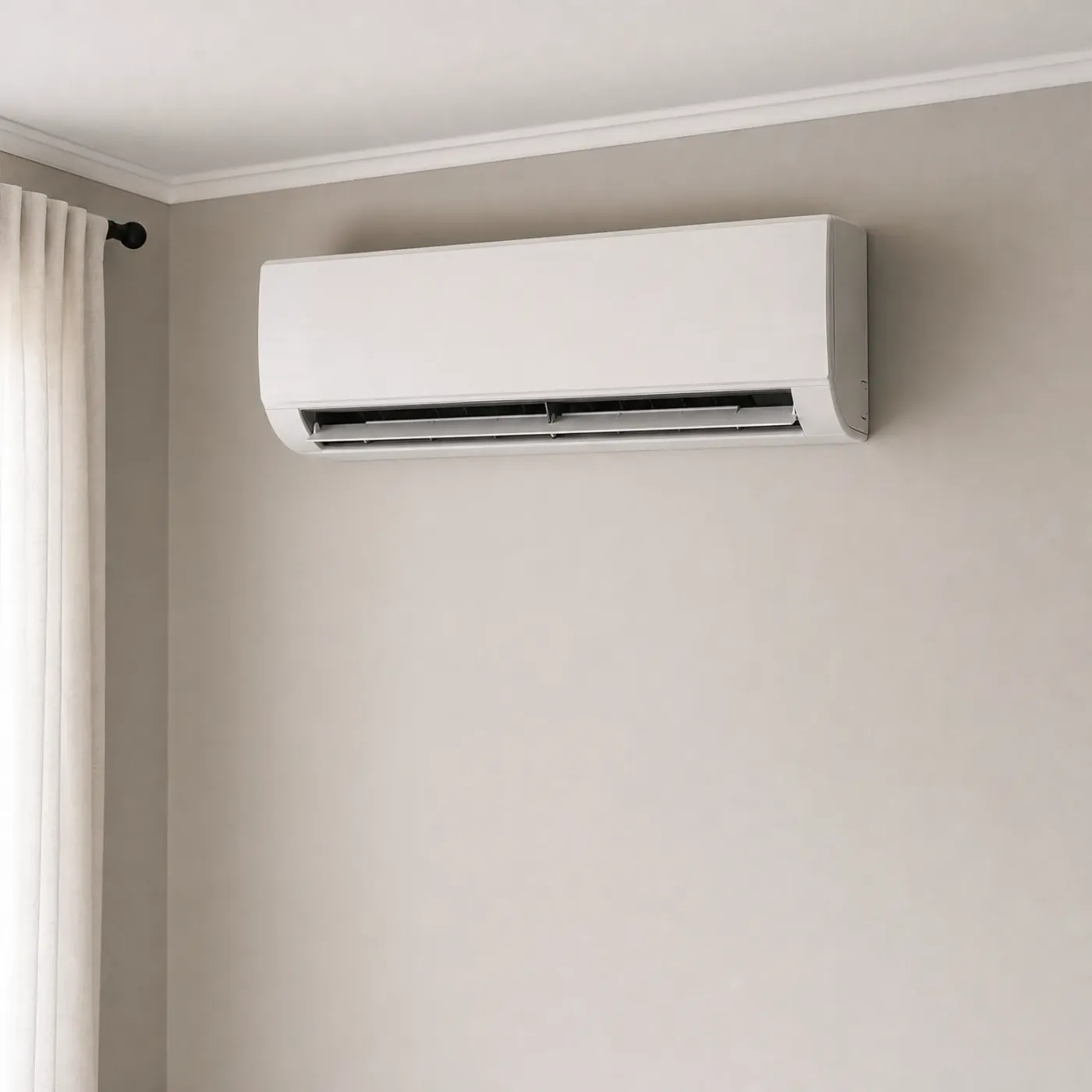
A mini split that's sized and installed right heats a room on less power than the baseboard or furnace it replaced. You'll see that in the kilowatt hours, not just a feeling that the room is warmer.
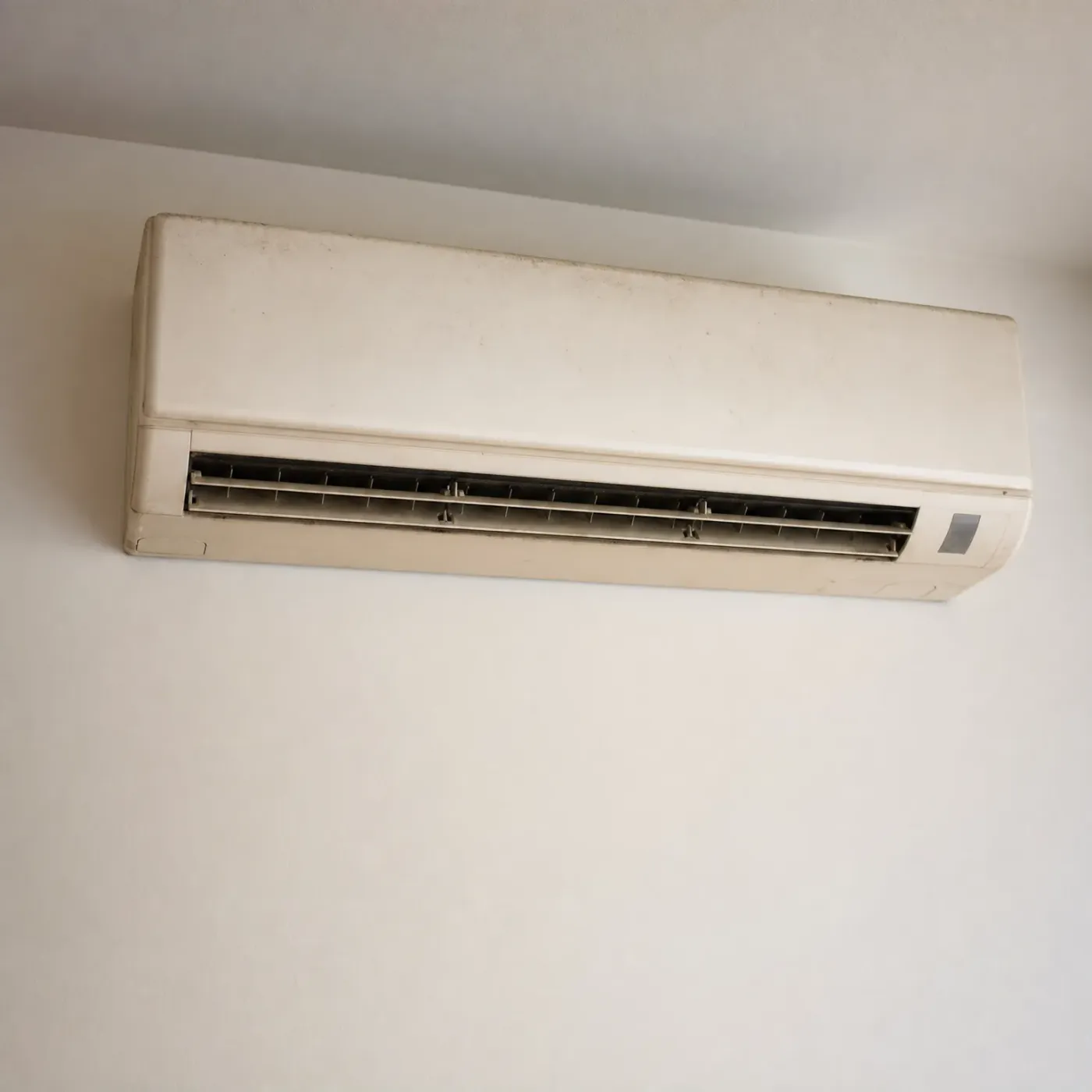
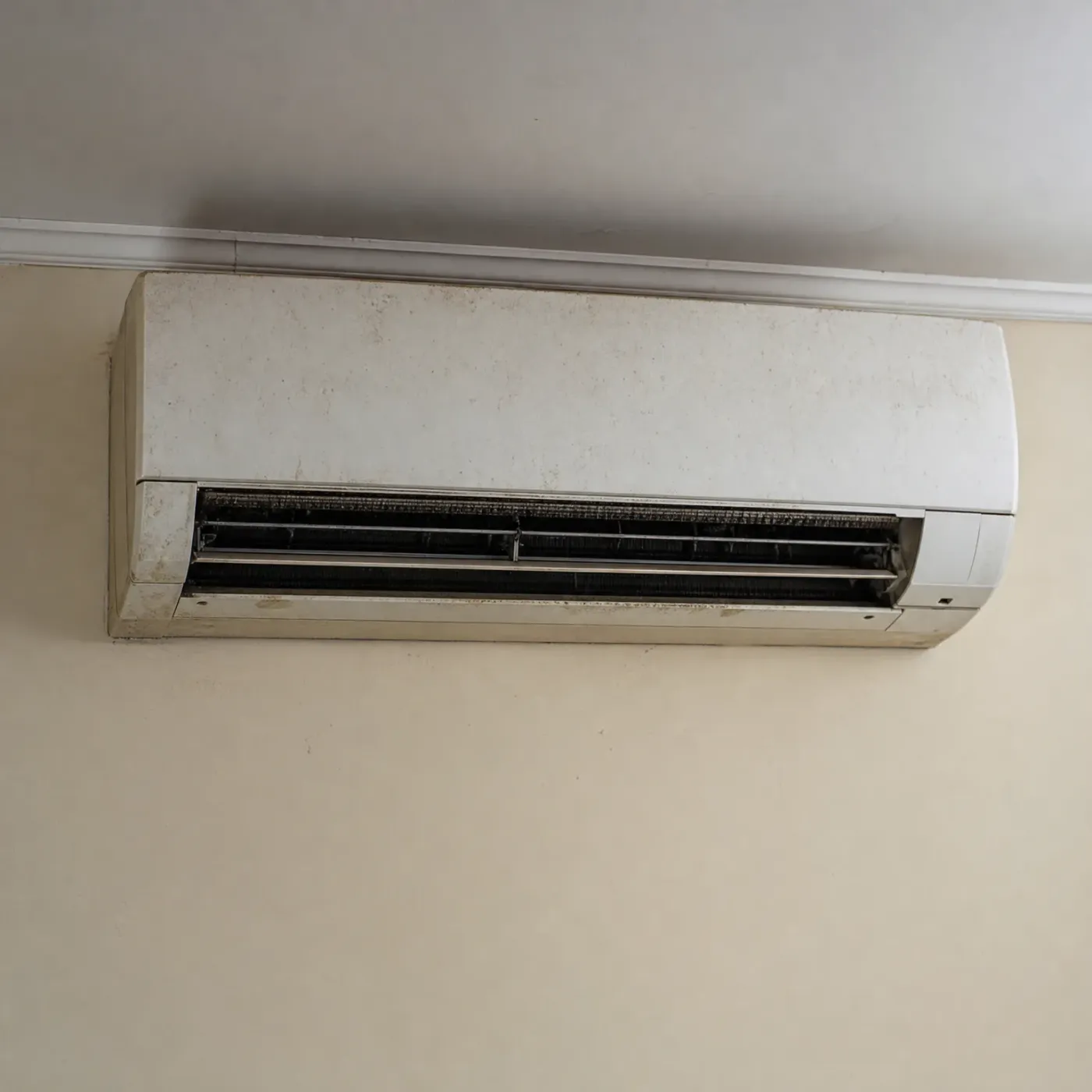
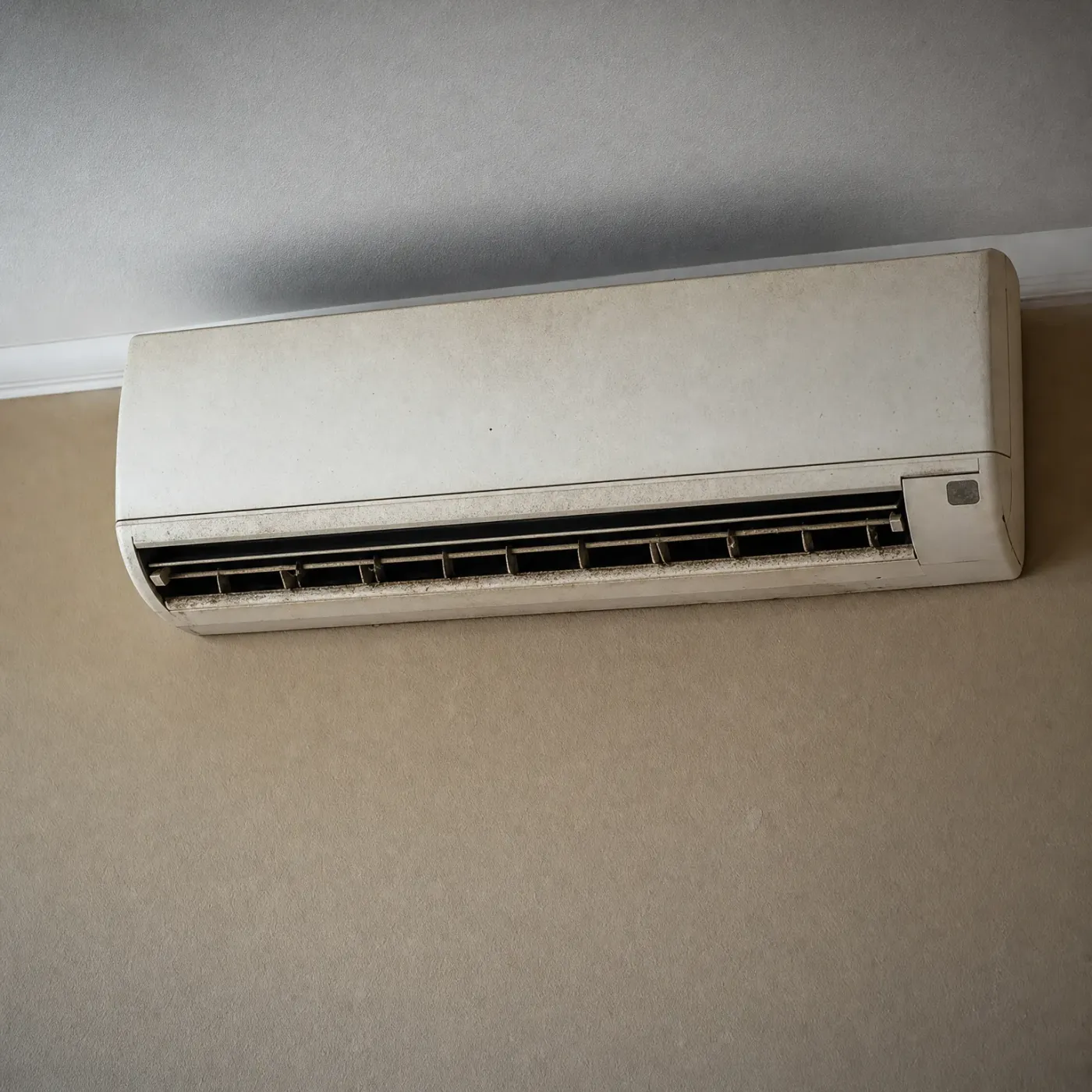
A yellowed case and dust on the louvers usually mean the filter hasn't been cleaned and the coil behind it is dirty. A dirty coil makes the unit work harder for the same heat, and that shows up on the bill.
Watch what the outdoor unit does on the coldest nights. If it runs nonstop and the room still feels short of warm, it's losing the fight to the cold instead of beating it, and your electric bill is paying for that losing fight. Check the indoor head for ice building up on the coil, or listen for it running long stretches and shutting off for only a minute or two before starting again. That pattern means it's working harder than it should to hold the temperature you set. A mini split that has to strain like that most of the winter can end up costing you close to what your old baseboard heat did, which defeats the reason you put it in.
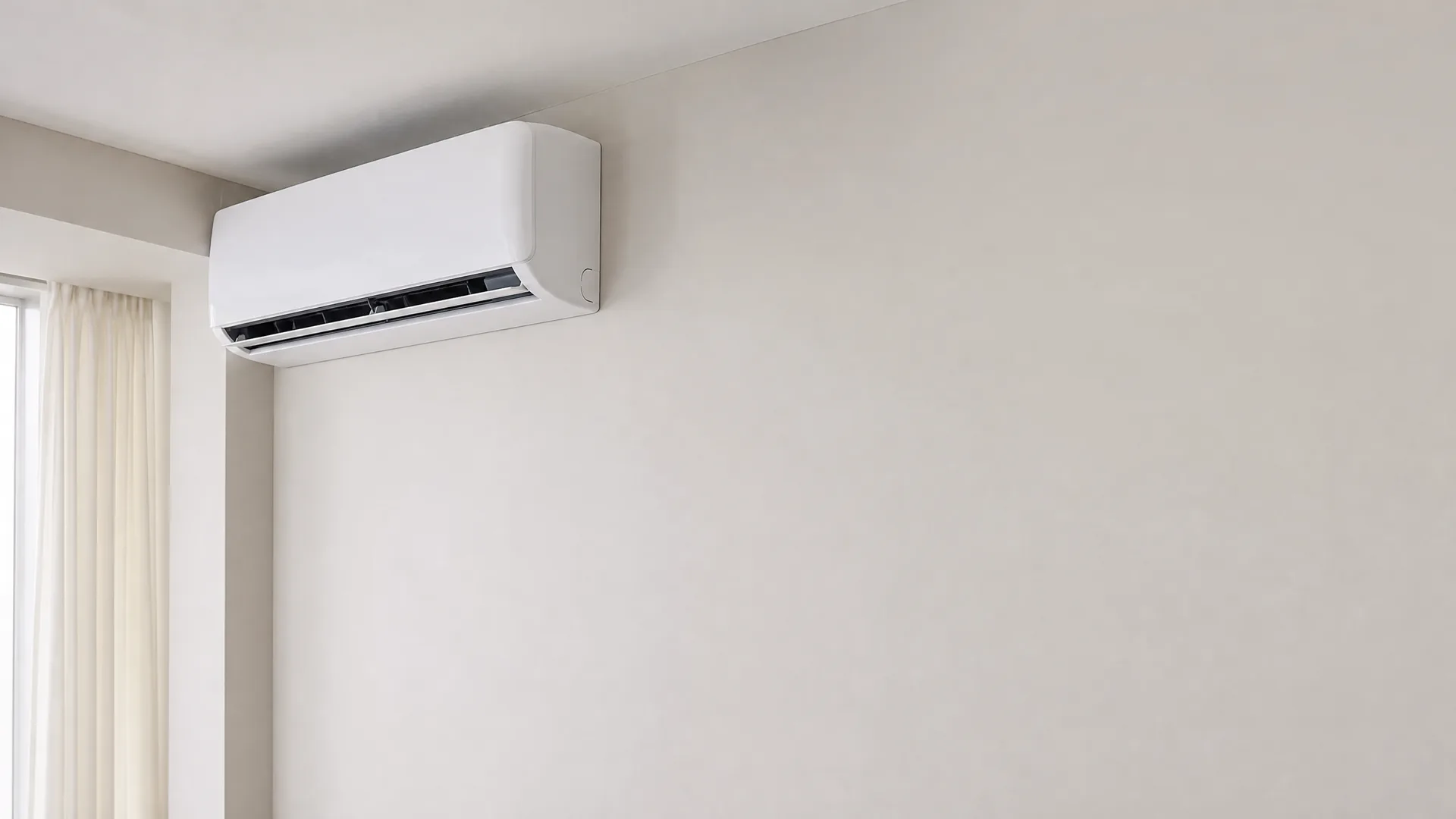
A mini split moves heat instead of making it. It pulls warmth out of the outside air, even cold air, and pushes it inside. A furnace or baseboard has to generate every bit of heat it puts out, burning electricity or gas to do it. That difference is why a mini split can put out more heat per kilowatt hour than straight electric resistance heat does. It's the same reason your refrigerator can keep food cold using so little power. It's moving heat, not making it from scratch.
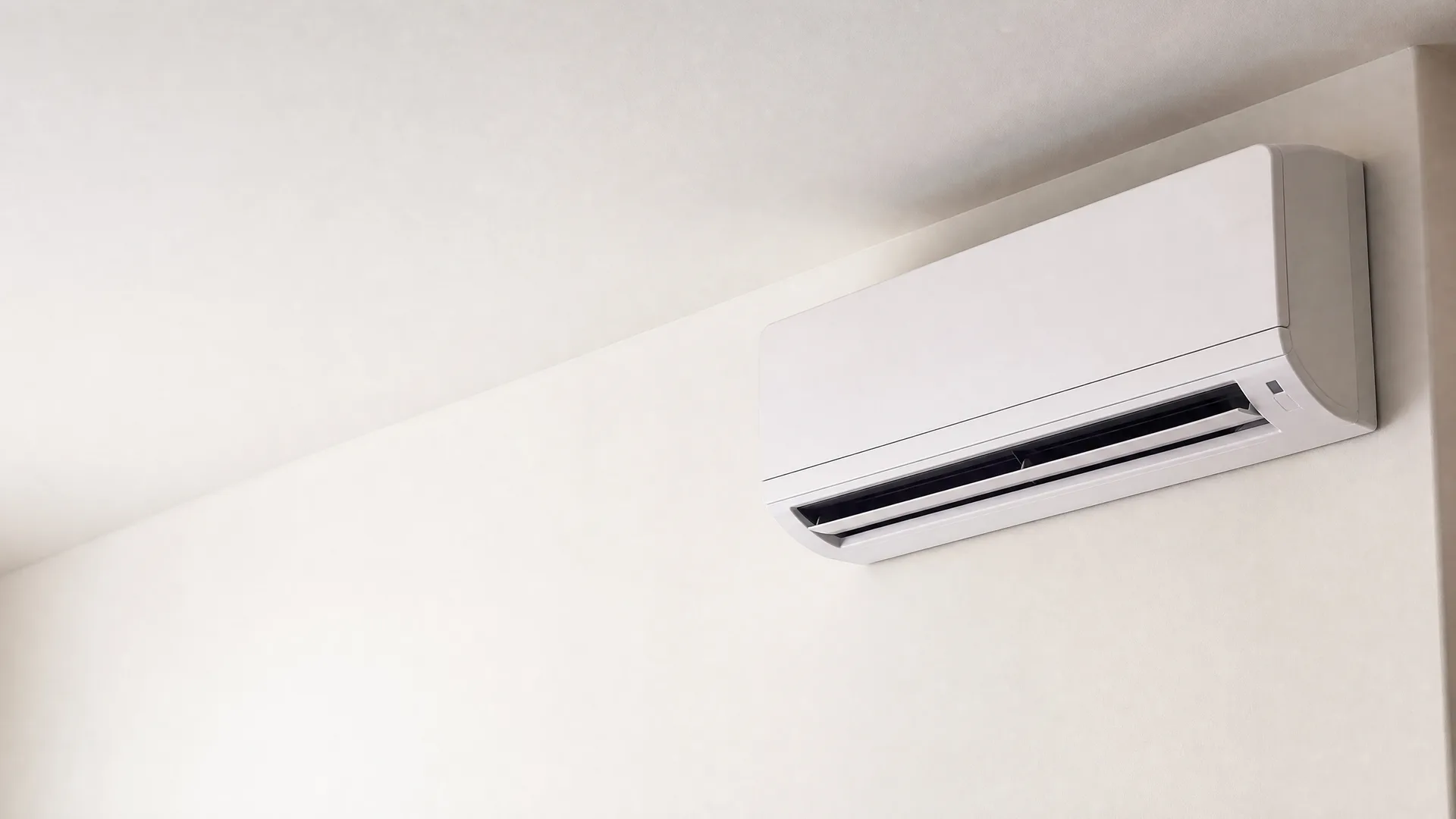
Open the cabinet on the outdoor unit and there's a compressor and a coil, the same parts in your refrigerator, just built to work in reverse. On a cold night that compressor works harder, and you'll hear it. A defrost cycle will kick on now and then, melting frost off the coil so it can keep pulling heat from the air. That's normal. What isn't normal is the unit running flat out for hours while the room stays cool. Check the size against the room it heats before you blame the equipment.
At 15.28 cents per kilowatt hour, every bit of power your mini split saves against baseboard heat shows up directly on the bill. The less it has to run to keep a room warm, the less of that rate you pay each month.
EIA-861 2025 statewide residential average
A mini split warms a room by running a cycle, not by firing up like a furnace. The outdoor unit compresses refrigerant, which raises its temperature well above the air outside, even when that air is cold. That hot refrigerant flows inside to the wall unit, where a fan blows room air across it and picks up the heat. The now-cooler refrigerant travels back outside to absorb more heat and start again. This is why the indoor unit feels like it's blowing warm air steadily rather than in short hot blasts the way a furnace vent does. The compressor itself ramps its speed up and down to match how much heat the room is losing, which is also why a well-matched system hums along quietly most of the time instead of switching on and off. When it short-cycles, turning off and on every few minutes, that's usually a sign it's oversized for the room or struggling with something else, not just working hard.
Skip the round of in-home estimates for a new mini split.
Send the form and stop researching installers for the new mini split.
Asking costs nothing, and the choice to hire stays yours.




A mini split doesn't heat the way a furnace does. A furnace fires up, blasts hot air, then shuts off until the room cools again. A mini split's compressor just changes speed. It slows down when the room is close to the temperature you set and speeds up when it's losing ground, so it's almost always running at some low level rather than cycling on and off. That's why the air out of the wall unit feels warm but mild, not like a blast from a vent. The outdoor unit does the real work, and on cold nights it draws more power to keep up, but it's matching the room's heat loss rather than throwing everything at it every time. Every so often, usually when it's cold and damp out, frost builds up on the outdoor coil, and the system briefly reverses itself to melt it before going back to heating. None of this looks dramatic from inside the house. It's a steady, quiet process built to hold a number, not to fight the cold in bursts.

Summer here isn't just hot, it's heavy. Averaged across Virginia homes, the summer dew point runs 64°F through June, July and August, according to NOAA climate data. That's air your mini split has to wring moisture out of before a room feels comfortable, which is a different job than heating. Come winter, that same unit is running dry cold air through its coil instead, with no humidity load to fight. You'll notice the outdoor unit works harder and longer in August than it does on most winter days, even cold ones, because pulling the wet out of the air takes real effort the cold months don't ask of it.
NASA POWER T2MDEW county cells weighted by homes


A mini split can lower your heating bill in Virginia. Whether yours is depends on how it was sized for the room and how it was put in, not on the brand or the price tag. Against electric baseboard, a mini split that's running the way it should will use less power to put out the same heat, and that difference shows up on the meter every month you're heating. One that's struggling, short cycling, or buried in dust will still run, but it won't be saving you much of anything, even though the outdoor unit is working harder for it.
That's the part that's easy to miss from the outside. Two mini splits can look identical and perform nothing alike, because one was matched to the room and installed with the refrigerant lines and airflow it needs, and the other wasn't. You can't tell that by looking at the unit on the wall. You can tell by watching how it runs and what it does to your kilowatt hours over a few billing cycles.
If you're not sure yours is one of the ones doing its job, the next step is having someone who installs these look at how it was set up, not just whether it's running. That usually means finding a contractor, calling a few, explaining the same problem each time, and sorting through quotes that are hard to compare against each other. Sending the form here instead means that search is no longer something you have to do yourself.

Done looking for a mini split pro