

Split Systems VA

Can a mini split heat a basement in a Virginia winter

Step 1 of 3: Equipment

Can a mini split heat a basement in a Virginia winter

A basement stays colder than the rest of the house once temperatures drop, and if yours is where someone sleeps, works, or spends part of the day, you want to know before winter sets in whether a mini split can actually keep it warm, not just take the chill off.

Yes, a mini split sized for the space can heat a basement through a Virginia winter

A mini split works as a heat pump, pulling warmth from outside air and moving it indoors, and it keeps doing that down into temperatures well below freezing, which covers almost every cold snap Virginia sees. The part that matters is sizing. A basement holds heat differently than the floors above it, with less exposed wall and often a slab floor, so the unit needs to match that space rather than a generic room size chart. Get the sizing right and the basement stays warm on its own through the winter. Since most homes here already heat with electricity, running a mini split alongside the rest of the house doesn't change how the home is set up to begin with.

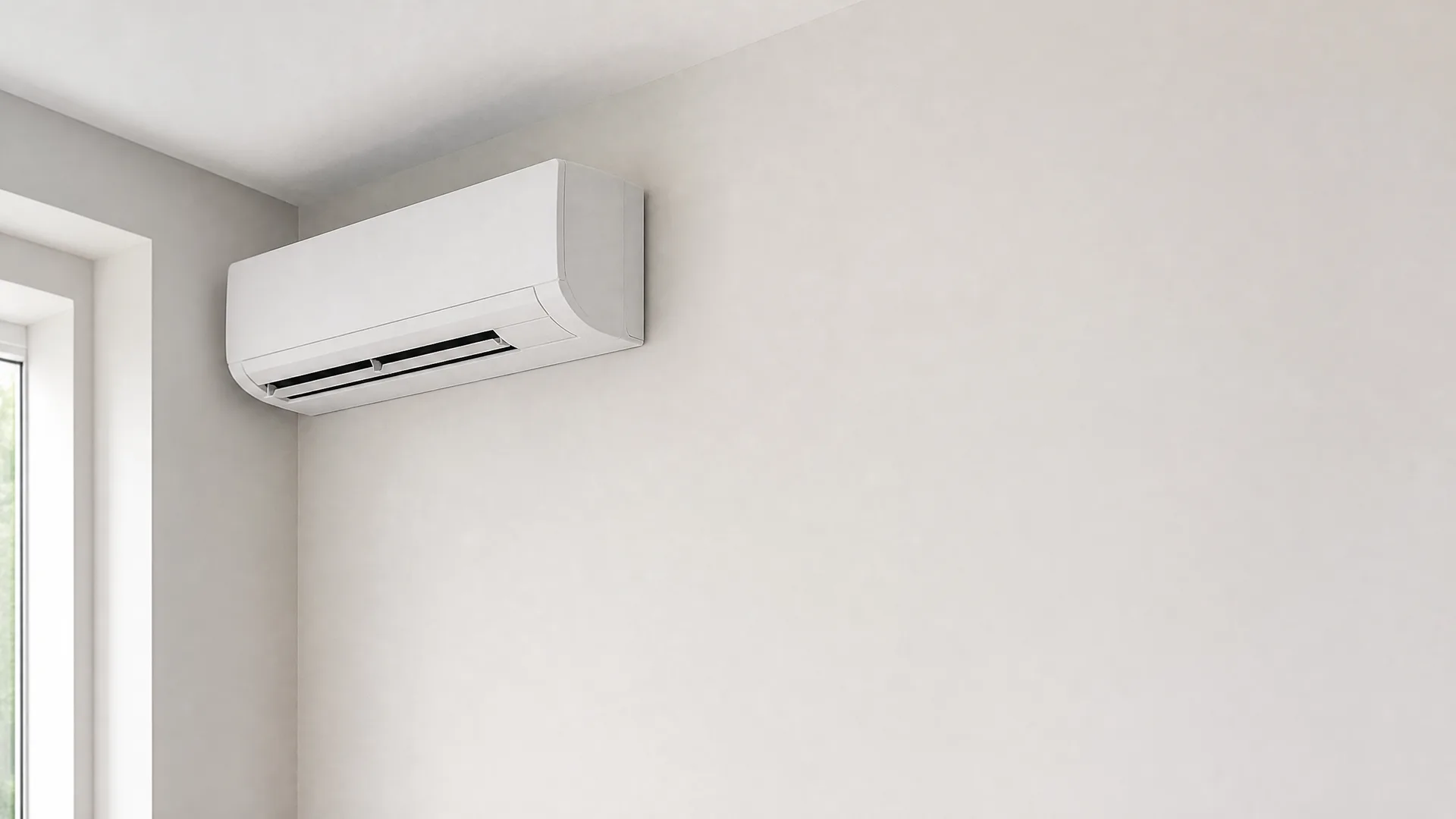
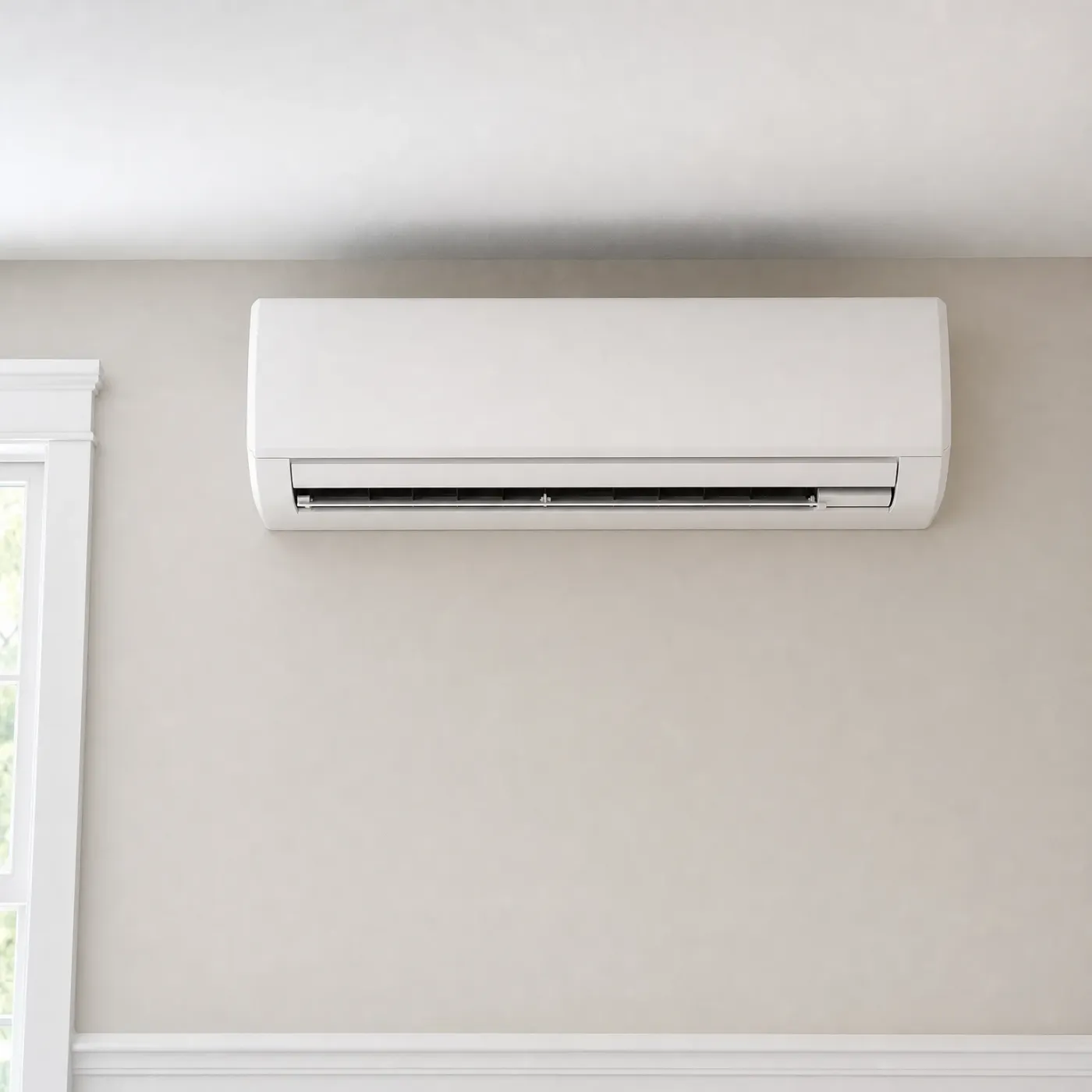
A white wall-mounted mini-split air conditioner installed high on a plain light-colored interior wall near a corner, with a window frame at the left edge.

Sizing for a below grade room

A basement loses heat differently than an upstairs room. Concrete walls and the ground around them hold a steady, lower temperature, so the unit has to work against that instead of against outside air alone. A contractor who sizes the mini split for your basement accounts for this, using the square footage, ceiling height, and how much of the wall sits below grade to pick the right unit.

A white wall-mounted mini-split air conditioner installed near the top of an interior corner wall, with large blank light-colored wall space to the left.

What the cold weather setting means

Most mini splits sold for Virginia winters carry a low ambient or cold climate rating, meaning the compressor keeps producing heat down into single digit outdoor temperatures instead of shutting off or switching to backup resistance heat. Check the unit's spec sheet for its rated minimum operating temperature. If your basement unit is rated for cold enough weather, it keeps heating on the coldest night of the year, not just the mild ones.

Why does the basement still feel cold with the mini split running

You'll notice it first at the far end of the room, away from the unit, where the air feels thinner and the floor stays cold underfoot even with the system on. A finished basement with a bedroom or a desk down there makes this obvious fast. If the unit cycles on and off more than it should, or runs most of the day without the room catching up, it's undersized for what a basement in a Virginia winter asks of it. Since most homes here heat with electricity, a unit working harder than it needs to shows up on your power bill before you can put your finger on why. Left alone, the room people actually use stays the one that never quite warms up.

A white wall-mounted mini-split air conditioner installed high on a beige interior wall near the ceiling, with a white-framed window at the left edge.

Sized right for the basement

The unit holds a steady temperature across the room, corners included. It cycles on, runs a while, and shuts off, the way it's supposed to. Someone sitting at the far wall feels the same warmth as someone standing underneath it. This is what a basement mini split looks like when the install matched the room.
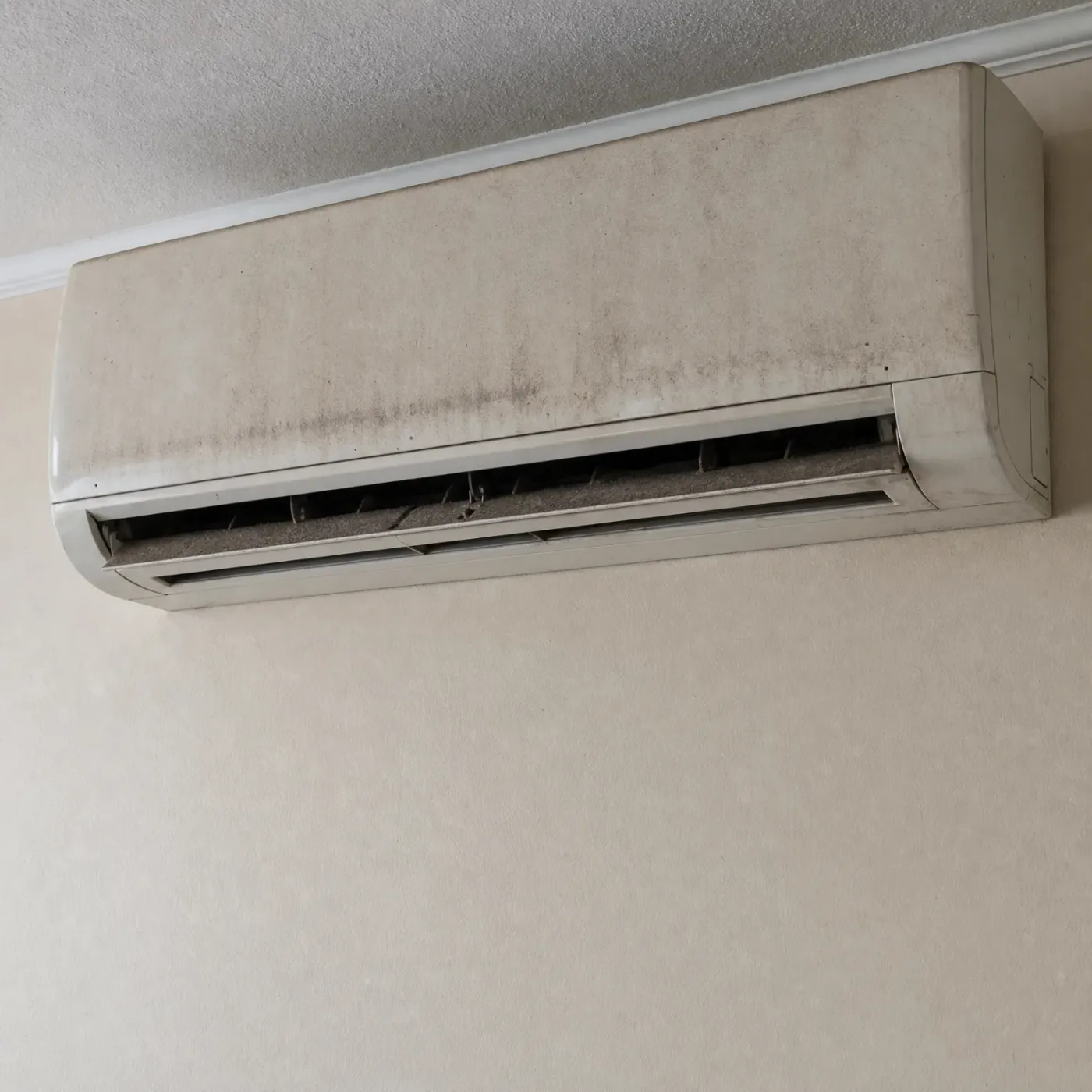

A dusty, stained wall-mounted mini-split air conditioner indoor unit near the ceiling on a plain beige wall, with visible lint buildup at its intake grille.

Undersized or neglected

A unit that's too small for a below grade room runs constantly trying to keep up, and dust and grime build up fast on the casing and filter when it never gets a break. Airflow drops, the room stays uneven, and the far corners lose the fight first. This is what to check for before winter.

A woman in a knitted shawl sits in a living room with a fireplace, shelves, a sofa with cushions, and a lamp by a bright window, looking off to the side.
A woman with long brown wavy hair in a green shirt over a white top stands in a living room with built-in white shelves, a ceiling fan, a potted plant and a sliding glass door.
A woman with shoulder-length gray-streaked hair in a light gray knit sweater stands smiling and looking off to the side in a living room with a sofa, houseplant, framed picture, and sunlit sliding glass door.
A woman with shoulder-length curly gray hair wearing a gray knit sweater stands near a window with a sheer curtain, looking to the side, with a blurred interior room behind her.

It's off your list after this

A basement that runs cold all winter isn't something to keep living with until spring. Once you know the unit is undersized or placed wrong for that room, the fix is a matter of getting the right person on it. Virginia basements aren't all alike, and a contractor who installs mini splits in this area season after season has seen which ones struggle against concrete and ground cold and which hold steady. That's different from guessing at it yourself or hoping the next unit does better. Sending the request means a local, licensed contractor who knows this equipment looks at your basement specifically, not a general case. You're not stuck making calls around town or explaining your situation five times over. One contractor gets it, the one suited to the job, and the search you started with stops being something you have to carry around while the basement sits cold underfoot.

One mini split for the whole floor plan

Some basements connect openly to a stairwell or a rec room with no doors between them, and a single indoor unit can carry that whole space if it's sized for it. Air moves on its own through the open layout, so the corners farthest from the unit still get warm. This works when the basement is one room, or close to it. It doesn't work once walls and doors start breaking the space up, because the unit can only push heat into the room it's actually mounted in.

A finished basement with separate rooms

A basement split into a bedroom, a bathroom, and a den behind closed doors is a different problem. Heat from one indoor unit doesn't travel through a closed door, so a single head warms the room it's in and leaves the rest cold. A contractor looking at a basement like this usually sizes for more than one indoor unit, one per room that gets used, so each space holds its own temperature instead of depending on air that can't reach it.

A woman and a child wrapped together in a knitted gray blanket on a couch, with the child's head resting on her shoulder and a lit table lamp and houseplant in the background.
An older woman with gray hair in a bun and glasses, wearing a beige knit sweater, smiles while looking to the side in a warmly lit kitchen, with a loaf of bread on the counter in the foreground and a snowy scene outside the window.

Running it all winter or backing it up

A mini split can carry a Virginia basement through the whole winter on its own if it was sized and placed for that room. Plenty of finished basements run that way with nothing else switched on, even on the coldest nights. The unit cycles on, heats the space, and shuts off, no backup needed. Most homes here already heat with electricity, so there's no gas line or furnace downstairs competing for the job. If the basement was sized correctly from the start, running the mini split as the only heat source isn't a risk, it's just how the room is meant to work.

Pairing it with another heat source

Some basements do better with the mini split handling most of the load and something else covering the gaps, especially in a room with a walkout door, a lot of window area, or a section that sits further from the indoor unit. A space heater in that far corner, or a baseboard unit along one wall, can pick up what the mini split alone doesn't reach. This isn't a sign the mini split failed. It's a layout problem, and a contractor who looks at where the cold spots actually are can tell you whether that second source is worth adding or whether the real fix is moving the unit or resizing it for the room.

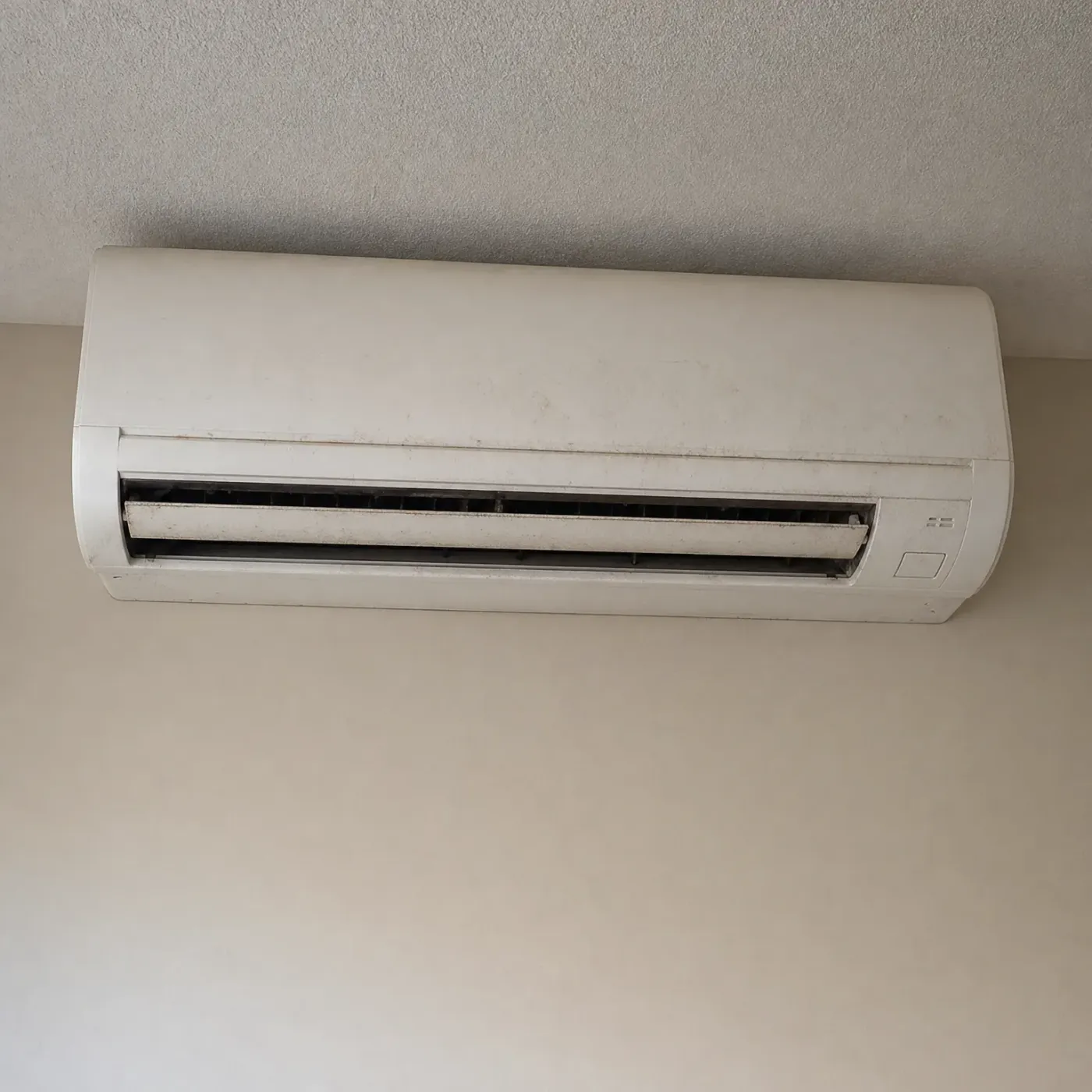
A white wall-mounted mini-split air conditioner indoor unit installed near a textured ceiling on a plain beige wall, with visible dust and discoloration on its casing and vent.
Before you get your mini split installation
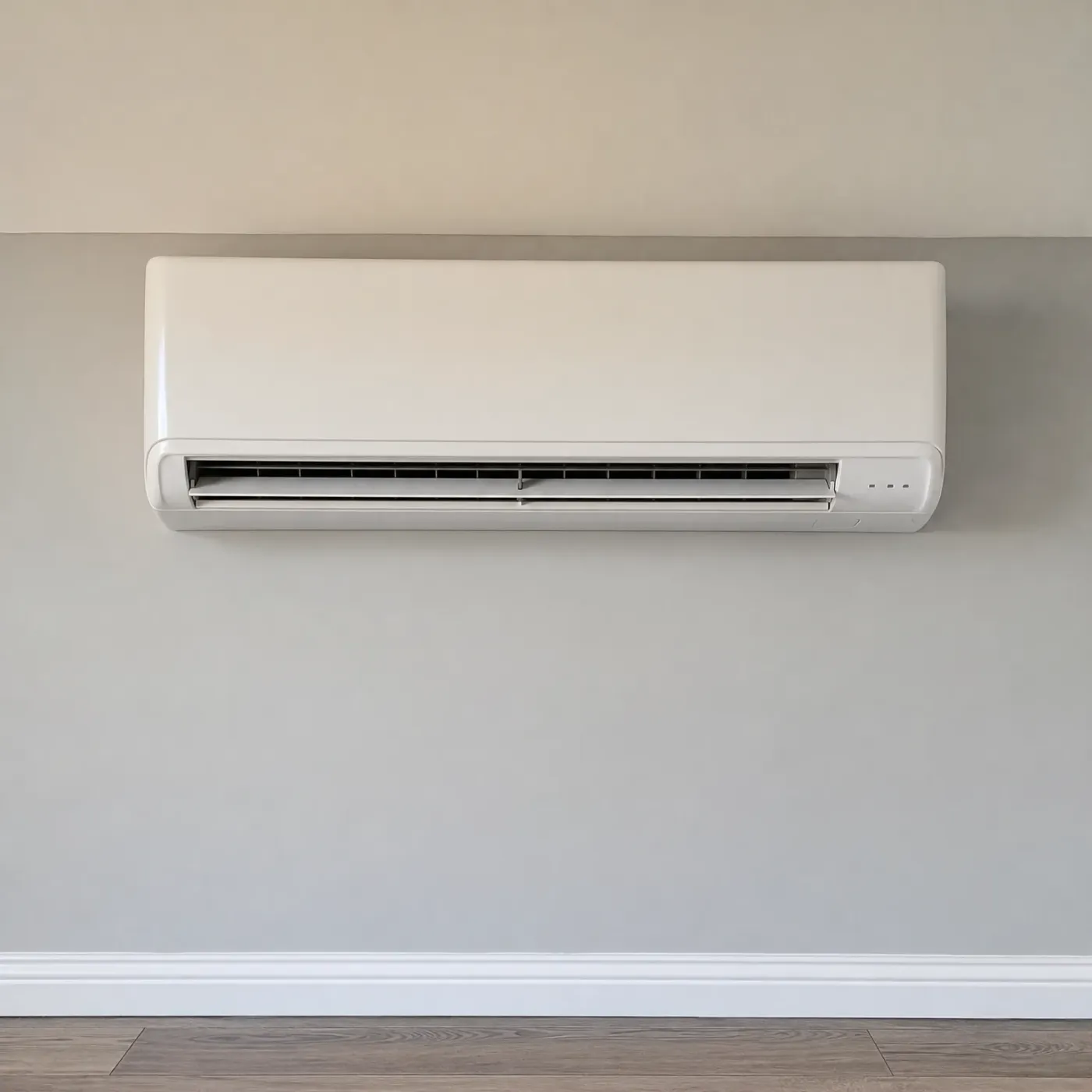
A white wall-mounted mini-split air conditioner indoor unit on a light gray wall above a white baseboard and wood-look floor.
After you get your mini split installation

Power costs 15.28 cents per kilowatt-hour statewide

Since a basement unit works harder against cold concrete and ground, it draws more power than one upstairs. At 15.28 cents per kilowatt-hour, that extra run time shows up on the bill, which is one more reason to size it right the first time.

EIA-861 2025 statewide residential average

A mini split can keep a Virginia basement warm all winter, but only if it was sized and placed for that room, not just plugged into whatever spot had an outlet nearby. Get that part right and the basement holds its temperature the same as the rest of the house, corners and far walls included. Get it wrong and you're back here next winter asking the same question. A contractor who installs these in basements all season knows which ones struggle against concrete and ground cold and which layouts need more than one head to cover the space, because they've seen it go both ways on homes like yours. You'll be matched with one licensed local contractor for this, not a handful of companies calling about the same basement. That's someone who can look at your space, tell you straight whether the unit you have or the one you're considering will carry the room, and get it placed so you stop thinking about it once it's done.

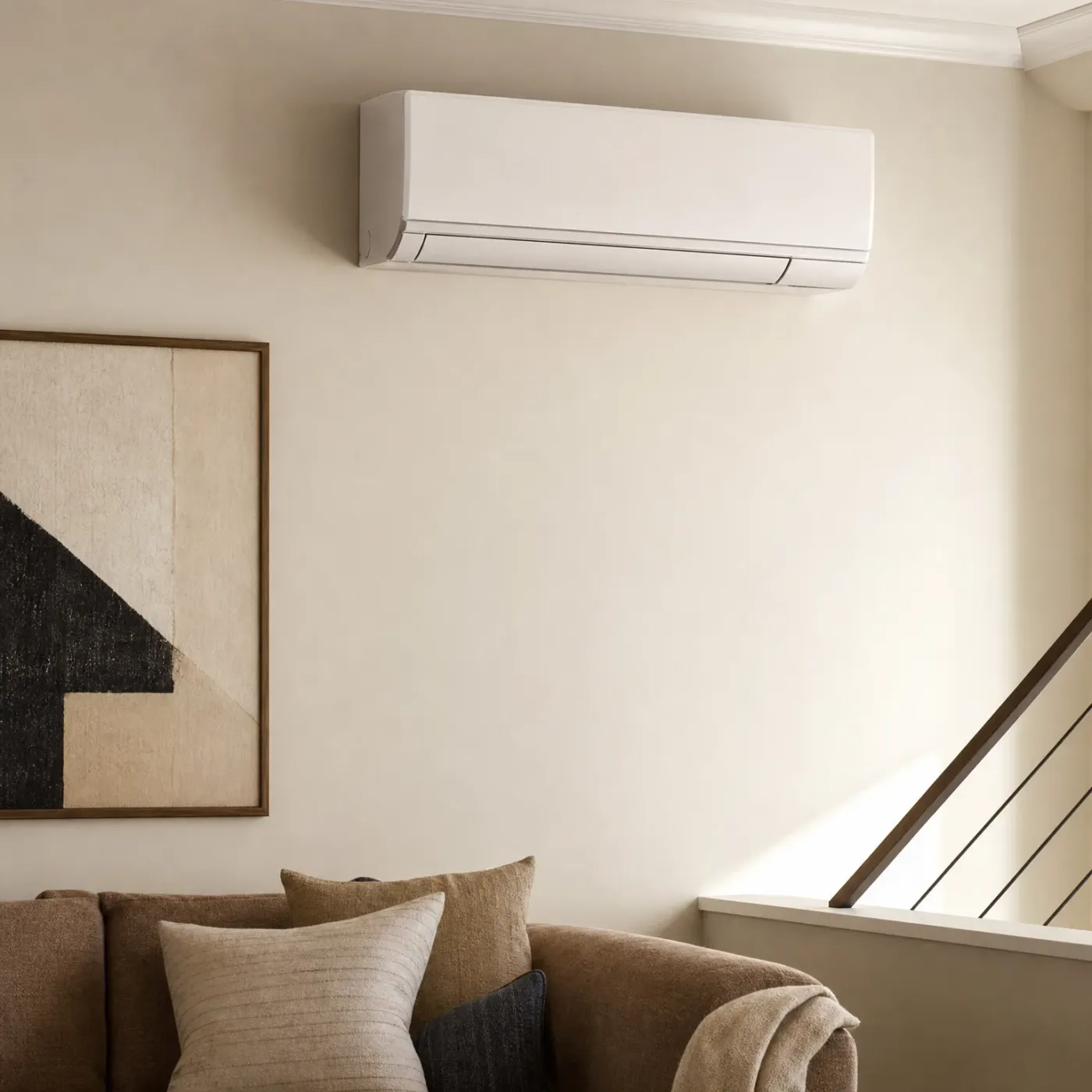
A white wall-mounted mini-split indoor unit high on a beige interior wall, above a brown sofa with cushions and a throw, beside a framed abstract artwork and a stair railing.

Stop chasing a mini split pro

Find a licensed mini split pro

Your request goes to one pro, not a list of companies.

There's no charge for the request.