Best mini split setting for a Virginia winter

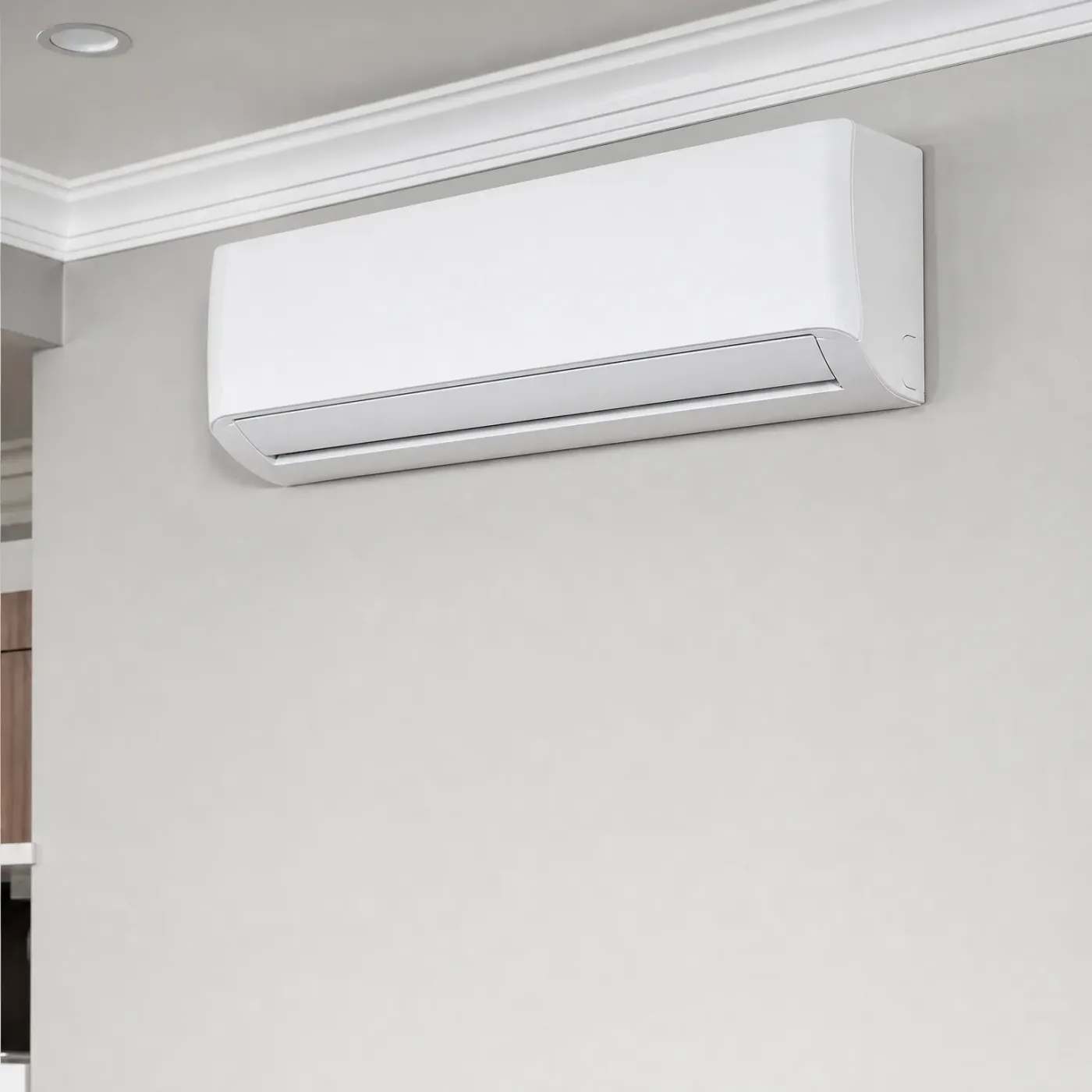
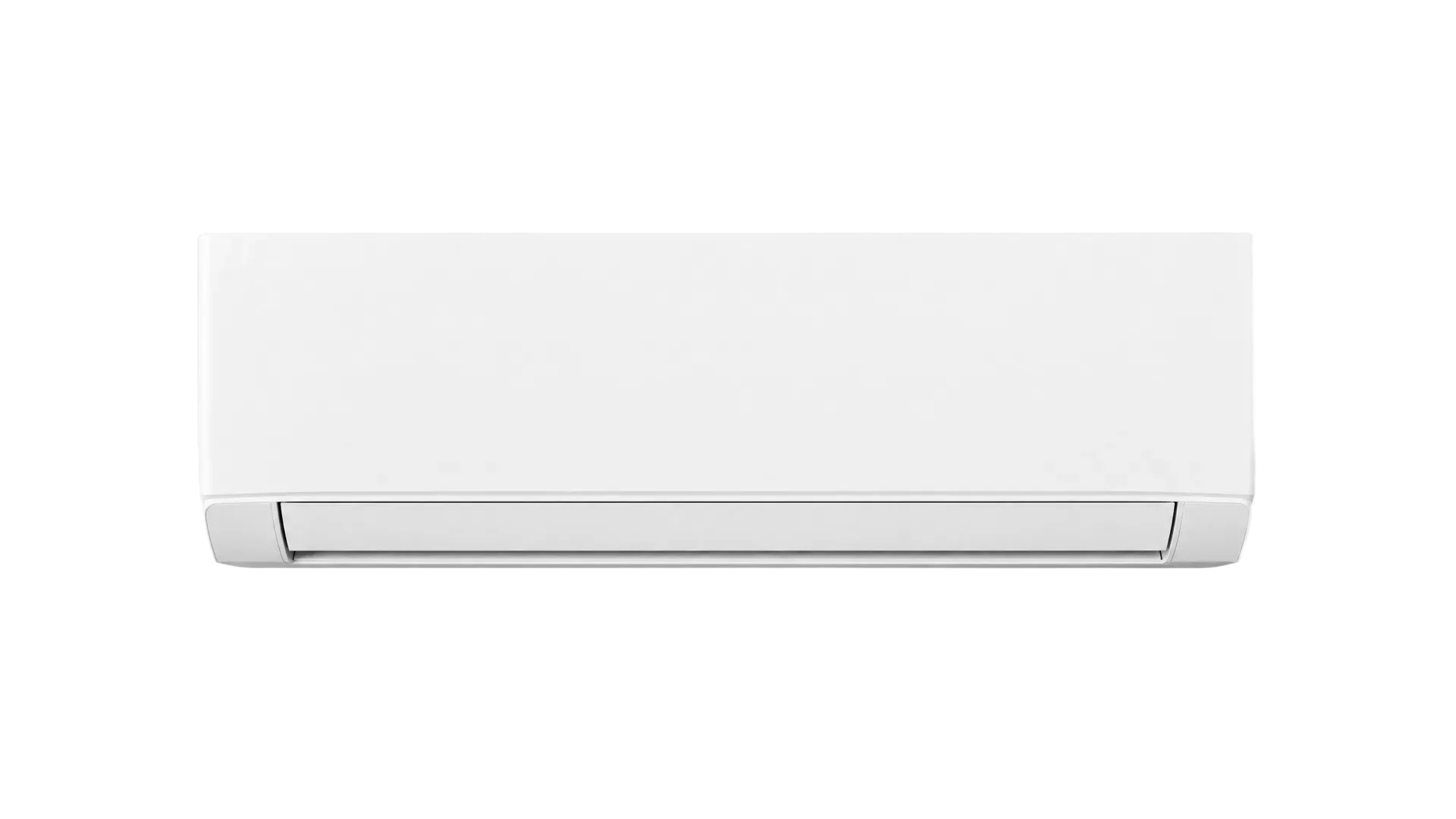
A white wall-mounted mini-split air conditioner indoor unit shown straight-on against a plain light gray background.
Get matched

Set it to heat mode, pick the temperature you want to feel, usually 68 to 70, and leave it there. Mini splits work best running steady rather than being bumped up and down. Every time you drop the temperature at night and raise it in the morning, the unit has to work harder to catch up, and in cold weather that means more frequent defrost cycles. Those cycles happen when frost builds up on the outdoor coil and the system briefly reverses to melt it off, which is normal in a Virginia winter but shouldn't happen constantly. If your unit has a setting labeled eco or away, use that instead of switching the system off entirely when you leave, since a full shutdown in freezing weather makes the restart harder on the equipment. If the room never quite reaches the temperature you set, or the outdoor unit looks iced over for long stretches rather than just briefly, that's worth having someone look at before it turns into a bigger repair.

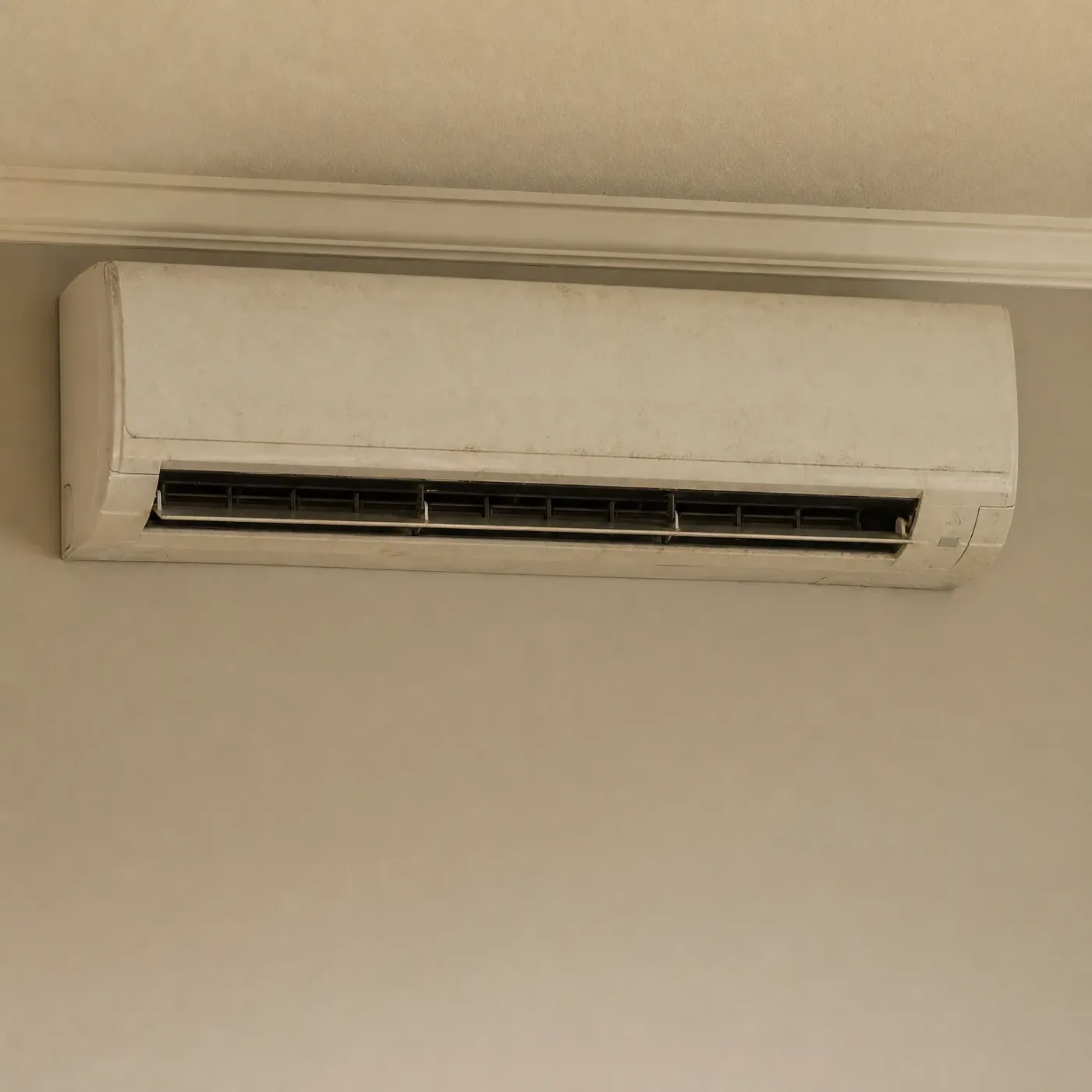
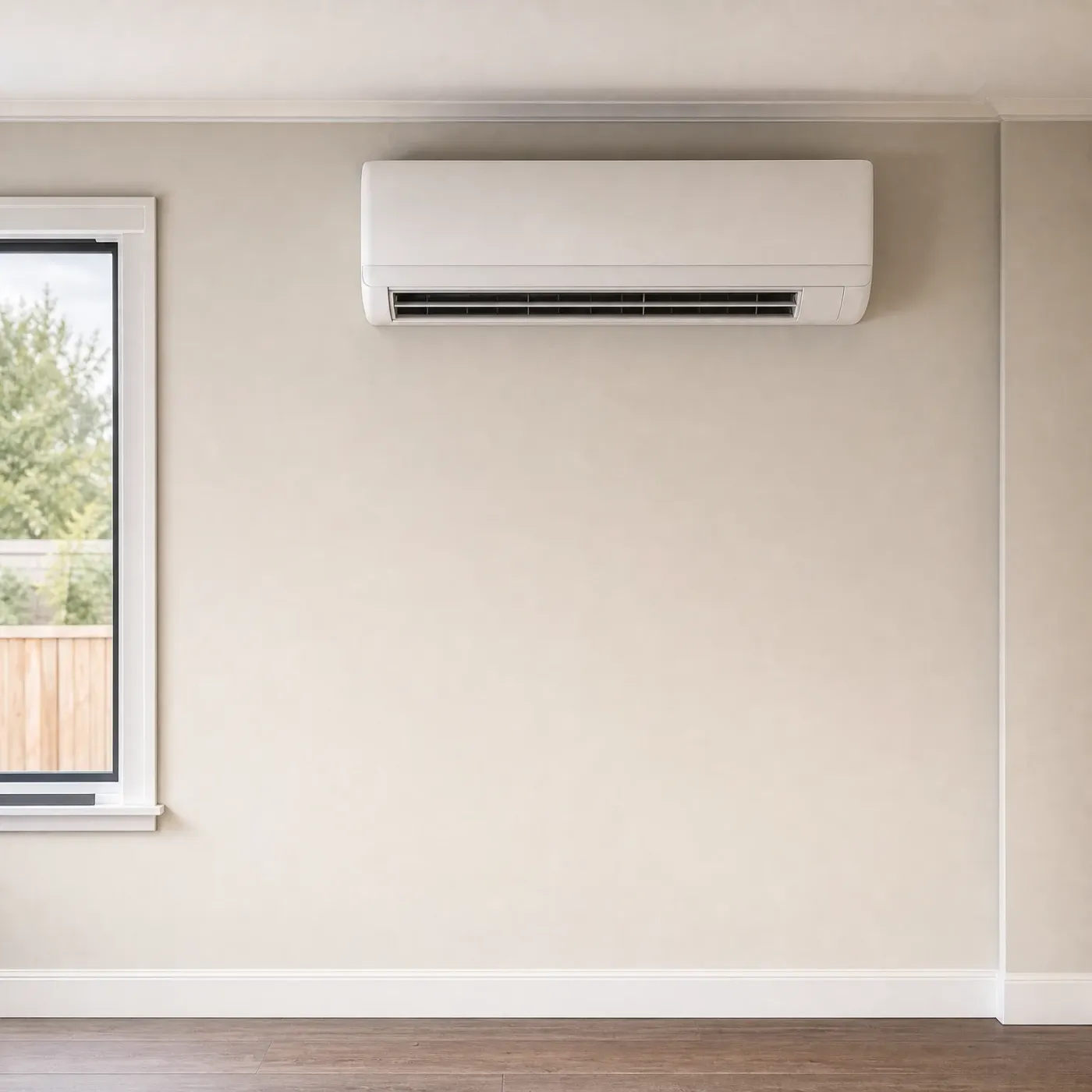
A white wall-mounted mini-split air conditioner on a beige interior wall, with a window at left showing trees and a wooden fence, and dark wood flooring below.
Set at a steady temperature, the unit cycles normally and the air coming out feels warm right away.
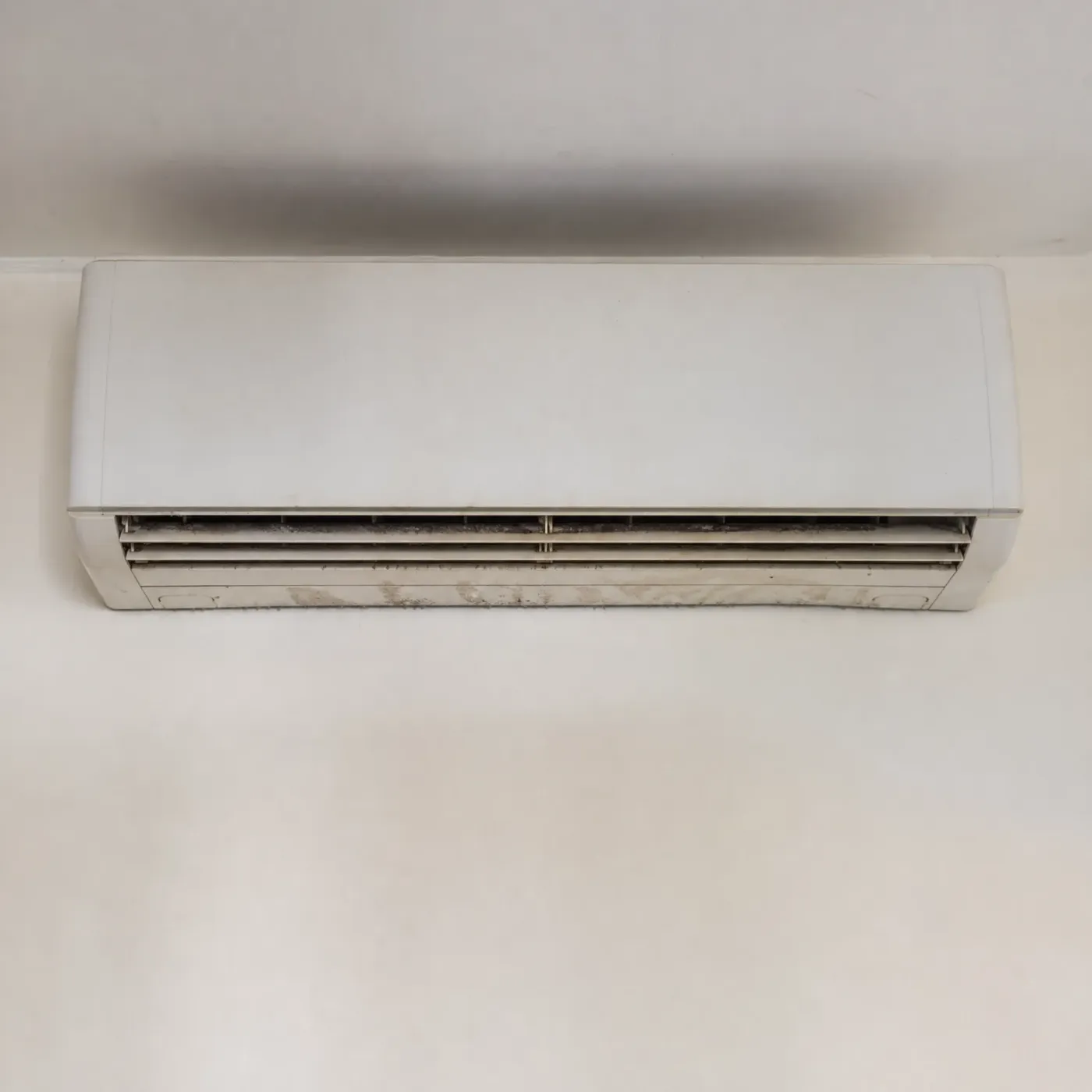
A white wall-mounted mini-split air conditioner indoor unit with dark louvered vents, installed near the ceiling on a beige wall below white crown molding.
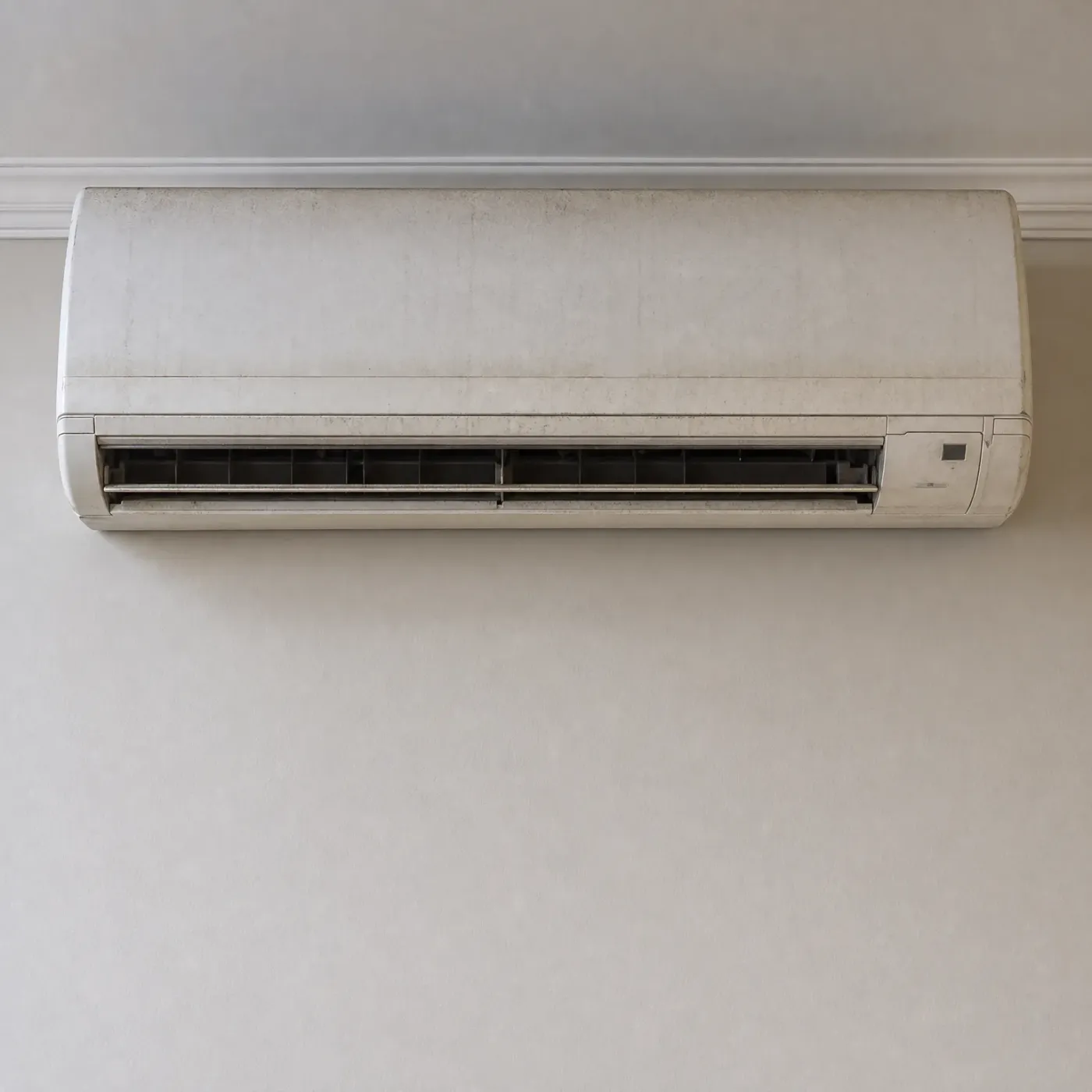
Dust on the coil and filter makes the unit work harder for the same heat, and that shows up on the bill.

How your mini split handles cold

  • The outdoor unit pulls heat from the outside air even in cold weather, which is why it keeps running on the coldest days.
  • A defrost cycle kicks in on its own when frost builds on the outdoor coil, pausing heat for a few minutes while it clears.
  • During defrost the indoor fan may stop or the unit may blow cool air briefly, which is normal and not a malfunction.
  • The filter sits behind the front panel and should be checked monthly through the winter since it clogs faster under steady use.
  • Setting the fan to auto lets the unit adjust airflow on its own rather than running at one fixed speed all day.
  • Below freezing, the unit pulls more electricity to run the compressor and defrost cycle, which is why usage climbs on the coldest nights.

A mini split does not make heat the way a space heater does. The outdoor unit pulls heat out of the outside air and moves it inside, and it can do this down into cold temperatures, which is why you will see it running on days that feel too cold for that to make sense. The harder it has to work, the more that outdoor coil is exposed to moisture, and in winter that moisture turns to frost. When enough frost builds up, the system stops heating for a few minutes and runs a defrost cycle to clear the coil. You might notice the indoor fan slow down, shut off, or blow air that feels cool instead of warm. That is the unit clearing itself, not a breakdown, and heat comes back once the cycle ends. The filter behind the front panel is worth checking monthly once the unit is running steady through the winter, since it pulls more air for longer stretches and clogs faster than it would in a mild month. Leave the fan on auto rather than a fixed speed. The unit knows when it needs more airflow and when it doesn't, and auto lets it make that call rather than running harder than it needs to. On the coldest nights, expect the electric bill to reflect the extra work, since both the compressor and the defrost cycle draw more power when it's pulling heat from air that has less of it to give.

A white wall-mounted mini-split air conditioner indoor unit with visible dust and staining along its lower vent, installed on a plain pale wall.
Before you get your mini split maintenance
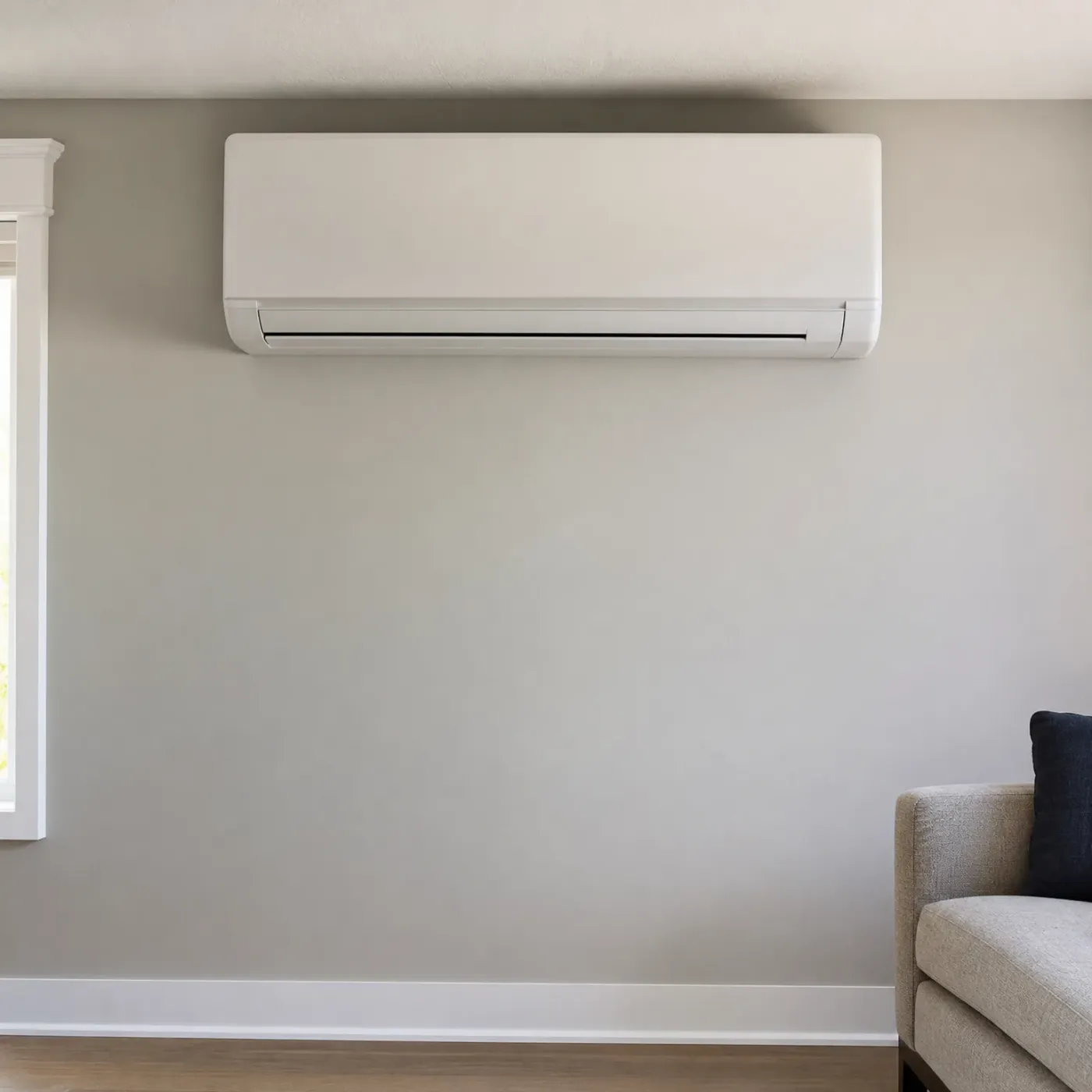
A white wall-mounted mini-split indoor unit installed high on a gray interior wall, with a window at left and part of a light gray sofa with a dark cushion at lower right.
After you get your mini split maintenance

Most of what goes wrong with a mini split in winter starts small and quiet. A filter packed with dust doesn't shut the unit off, it just makes it run longer to push out the same heat, and that difference shows up on your power bill before it shows up anywhere else. Ice on the outdoor unit is the same way. A normal defrost cycle clears itself in a few minutes, but when it doesn't, the air coming out of your indoor head turns cool, and you notice right away because you're standing in front of it. A drain line backing up won't flood your floor. It shows up as a stain or a damp patch on the wall under the indoor head, easy to miss until it isn't. None of this needs to turn into anything bigger. The compressor short cycling, one room staying cold while the rest of the house is fine, a unit that worked fine in November struggling by February. Catching it early is the difference between a quick fix and a no-heat call in the middle of a cold snap.

What a small problem costs you

  • A dirty filter or a coil caked with dust makes the unit run longer to hit the same temperature, and you'll see that on your electric bill.
  • If the outdoor unit ices up and doesn't clear itself through a normal defrost cycle, you'll feel the air turn cool instead of warm.
  • A clogged drain line can back up and drip inside near the indoor head, usually noticed as a stain or a damp spot on the wall below it.
  • A unit that short cycles, turning on and off instead of running steady, wears on the compressor and shortens how long it lasts.
  • Left unchecked through a full Virginia winter, a small airflow problem in December can turn into a no-heat call by February.
  • Weak or uneven heat from one room's head often means that indoor unit needs attention, not the whole system.
A woman in a gray turtleneck sweater stands by a window looking outside at snowy ground, with a dimly lit living room containing a sofa, shelves, lamp and a lit candle behind her.
A woman in a cream cable-knit turtleneck sweater stands in a warmly lit living room with a fireplace and shelves behind her, looking out a window toward snow-covered trees and a railed deck.
A woman in a cream knit turtleneck sweater stands by a window looking out at snow, with a lit fireplace, sofa and lamp in the room behind her.
A woman in a gray knit sweater sits by a window looking out at falling snow, with a dimly lit living room containing a sectional sofa, pillows, a lamp and houseplants behind her.
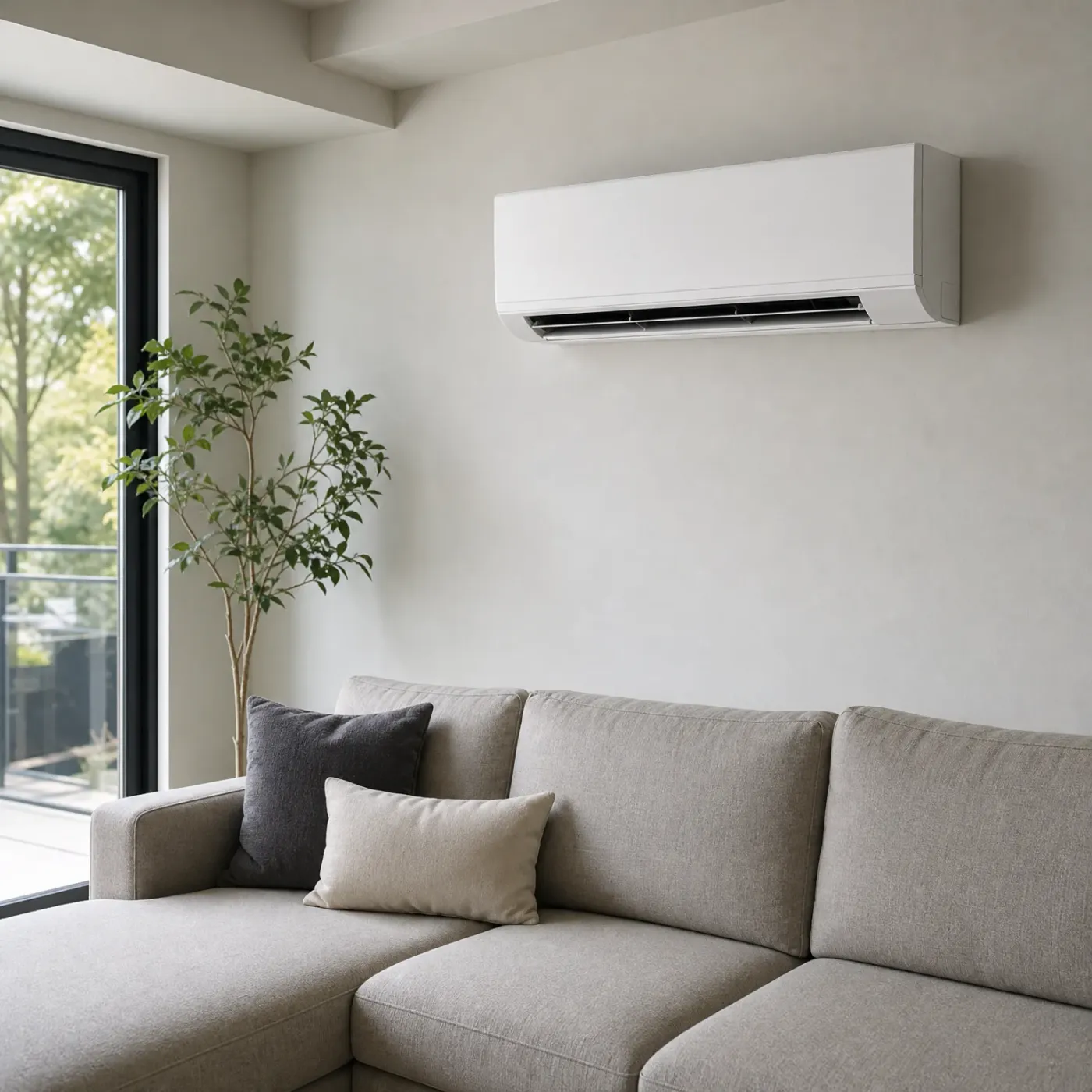
A white wall-mounted mini-split indoor unit on a pale interior wall above a gray sectional sofa with cushions, next to a potted leafy tree and a floor-to-ceiling window showing green trees outside.

A local pro for your mini split maintenance

Send the form, and lining up the mini split tune-up stops being yours to chase.

Say what's going on with your mini split, and a pro who works on them reaches out.

Find a mini split pro

There's no charge for the request.

Why does my mini split blow cool air sometimes in winter?

You're sitting near the indoor unit and notice the air isn't quite warm, maybe even a little cool, even though the system is running and set to heat. It's enough to make you wonder if something's wrong or if the unit is about to blow cold air on you all night.

It's likely mid-defrost, clearing frost off the outdoor coil

That cool air usually means the outdoor unit is running a defrost cycle. Frost builds up on the outdoor coil when it's cold and humid outside, and the system has to pause heating every so often to melt it off before it spreads and blocks airflow. During that time, the indoor unit may blow room-temperature or slightly cool air for a few minutes, sometimes with the fan slowing down too. Once the coil clears, it switches back to heating and the air warms back up on its own. If it only lasts a short stretch and then returns to warm air, that's the system working the way it's supposed to in Virginia winters. If it happens constantly or never seems to finish, that's worth having a contractor look at.

A white wall-mounted mini-split air conditioner installed high on a light gray interior wall below a white crown molding and ceiling with a recessed light.

Clean and running right

The casing is clean, the vents are open, and the air coming off it feels warm within a minute or two of kicking on. It holds the temperature you set without hunting or running long stretches to get there. That's a filter and coil doing their job.

A dusty, discolored white wall-mounted mini-split air conditioner unit installed on a plain beige interior wall below a molding strip.

Dusty and overdue

Dust has built up on the casing and likely inside on the coil too. A unit in this shape runs longer to put out the same heat, and you'll notice it on your electric bill before you notice it by looking. Filthy on the outside is a decent sign of what's clogging the inside.

Steady Setting or Nightly Setback

Set it and leave it

  • You pick 68 to 70 once and the thermostat never fights the unit to get back there.
  • The compressor settles into a steady low speed instead of ramping up from a cold start each time.
  • Rooms stay even, so you're not walking from a warm living room into a cold hallway.
  • A unit running steady pulls less power than one restarting from a lower setpoint every few hours.
  • Filter and coil stay cleaner longer between cleanings because the unit isn't straining as hard to catch up.

Setback at night

  • Dropping it 5 or 6 degrees overnight means the unit has to work harder to climb back up in the morning.
  • That morning catch-up can take longer than people expect, especially on a cold Virginia morning in the 20s.
  • The extra runtime to recover the temperature can erase whatever you saved by lowering it overnight.
  • A dirty filter or coil makes that recovery stretch even longer, since the unit already has less airflow to work with.
  • Frequent swings put more wear on the compressor than a system that holds one setting.
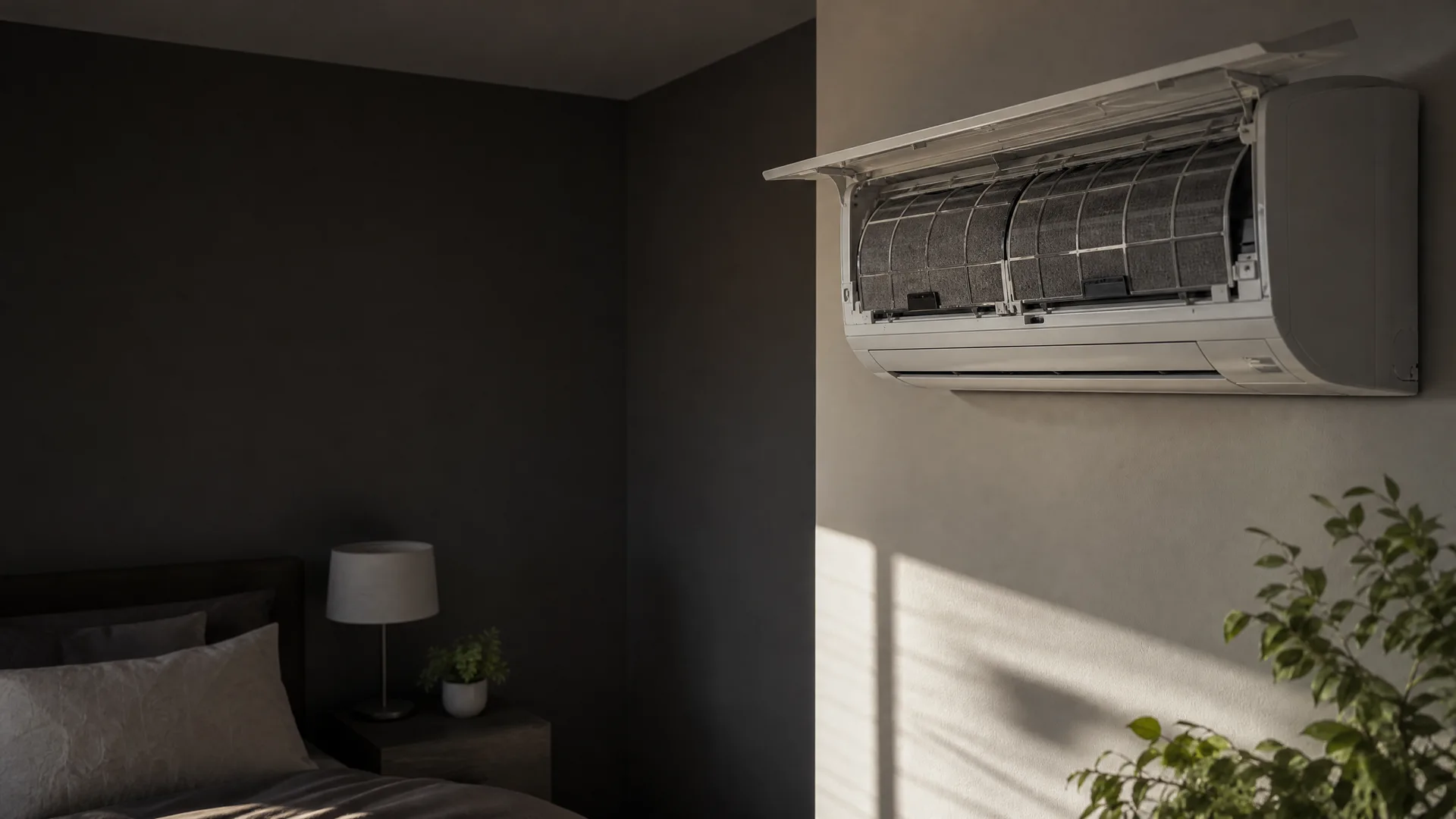
A wall-mounted mini-split air conditioner with its front cover open exposing the filters, in a dim bedroom with a bed, nightstand lamp and a potted plant.

It's a mild spring morning, the kind where the heat hasn't kicked on in a day or two. You pop the front cover off the bedroom unit just to look, and there it is, a grey film sitting across the filter screen, thicker than you expected. You run a finger over it and it comes away dusty. Outside, the air is still cool enough in the mornings that the unit has been running most nights this winter. You think about how many hours that filter sat like this while the system pulled air through it. Nothing's broken. But it's clear this should've been checked a while back.
Power costs 15.28 cents per kilowatt-hour statewide

At 15.28 cents a kilowatt-hour, every degree your mini split has to make up costs you something real. A dirty filter or coil forces it to run longer to hit the same setting, so that buildup turns straight into a higher bill, not just weaker heat.

EIA-861 2025 statewide residential average

Virginia winters put the outdoor unit through hundreds of defrost cycles between December and February, and each one asks the compressor to pause, clear itself, then ramp back up from a stop.

A clean coil clears frost fast and gets back to heating. A coil coated in dust holds that frost longer, so the unit spends more of its cycle recovering than actually warming your rooms.

A bearded man in a plaid flannel shirt stands in a kitchen looking out a window toward snow-covered shrubs, with a steaming mug on the windowsill and potted plants on a shelf behind him.
A smiling man with dark curly hair in a navy t-shirt sits on a gray couch indoors, with a large-leafed plant and a window in the background.
Single-story house with tan horizontal siding and a dark shingled hip roof, fronted by a patchy green and brown lawn and a concrete walkway leading to the covered entry.

Summer humidity here averages a dew point of 64°F across June, July and August, per NOAA. That's heavy, sticky air, and it's also what your mini split has been pulling moisture out of all summer. The same indoor coil that handles that job in July is the one moving heat in January. A coil left coated with what summer humidity leaves behind doesn't heat as fast or as evenly once you switch over, and the unit has to run longer to make up for it. Keeping that coil clean going into winter is less about the cold outside and more about what the muggy months before it left behind.

NASA POWER T2MDEW county cells weighted by homes

A man seen from behind raises his hand to wave at a woman standing in the open front doorway of a single-story house with gray shingle siding, white columns and a gabled porch entry.

68 to 70, set once, left alone

That's the whole answer. A steady setting in heat mode, a clean filter, a clear outdoor coil, and your mini split handles a Virginia winter without much drama. The defrost cycles still come, the outdoor unit still works harder in January than in November, but none of that calls for you to touch the thermostat.

Where you stand right now depends on what's inside that indoor unit and whether the outdoor coil has been looked at this season. If you're not sure, that's a reasonable thing to hand off rather than guess at. A contractor who services mini splits in your area can look at your specific system and tell you what it needs, and once that's in motion, it's off your list.

A living room corner with a beige upholstered armchair holding navy and striped cushions, a small round wooden side table with a carved bowl and a potted green plant, a framed landscape picture on a pale wall, built-in shelving, and a curtained window.
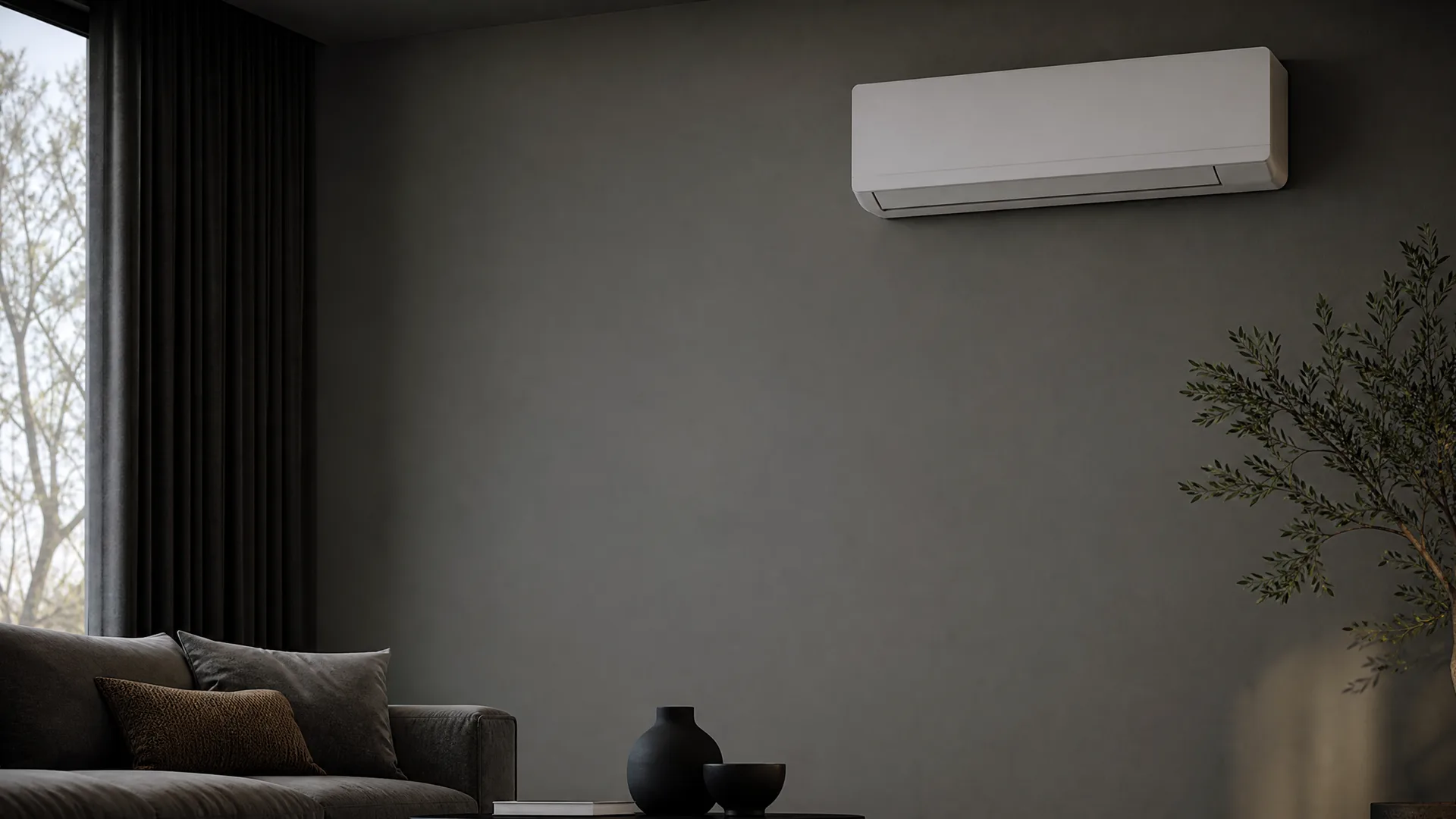
A white wall-mounted mini-split air conditioner on a dark gray interior wall above a gray sofa, with a window and curtain at left, a potted olive-like plant at right, and a black vase and bowl on a table in the foreground.

Get the right pro for your mini split

One request and the search for a pro is handled.

Step 1 of 3: Equipment